As Colorado faces historically bad snowpack, a new study links low snow with more severe wildfires that damage forests
Snowpack acts like a ‘savings account’ for Western forests, according to the Western Colorado University researchers

Ryan Spencer Follow
Austin Colbert/The Aspen Times
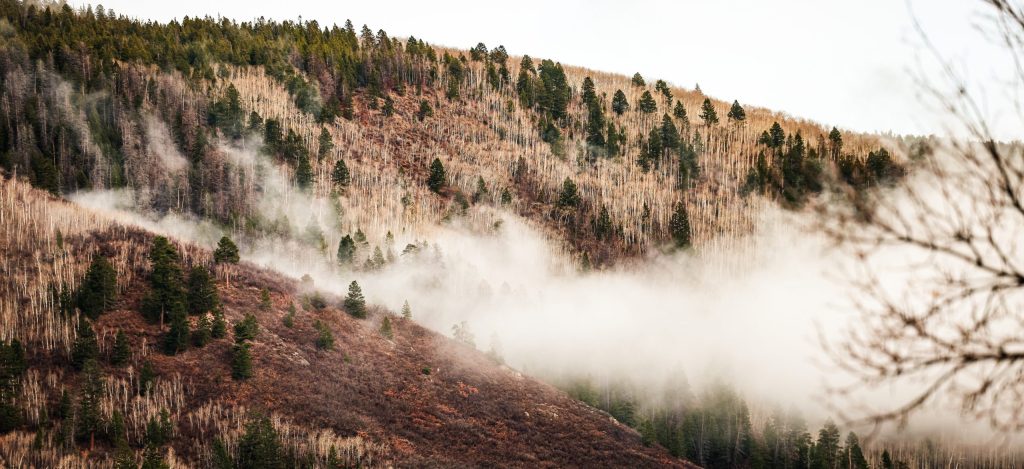
A new study out of Western Colorado University has implications for the wildfire season ahead as nearly the entire West faces record-low snowpack conditions.
The paper, published last month in the peer-reviewed journal “Environmental Research Letters,” found that not only is an early-snow melt associated with earlier fire seasons and a more acreage being burned, it’s also linked to more severe wildfires.
“When we have a low-snow winter, those high elevation forests will have lower live fuel moisture and ultimately more flammable conditions during the summer,” said Jared Balik, the lead author of the study. “That in turn, promotes greater burn severity, greater fire severity, that increases the risk of forest loss or conversion of forest to shrubland or grassland.”
The study used satellites that measure pre- and post-fire conditions to estimate burn severity of fires across 11 Western states — including Colorado — from 1985 to 2021, Balik said. Using that 36-year dataset and regional snowpack metrics, he said researchers were able to create models to explore the interactions between snowpack levels and wildfire seasons.
Balik said the study’s results confirmed what fire ecology scientists have long known: That the earlier the snow melts, the sooner the fire season can begin and that an earlier meltout typically creates drier conditions that make landscapes more susceptible to fires starting and spreading.
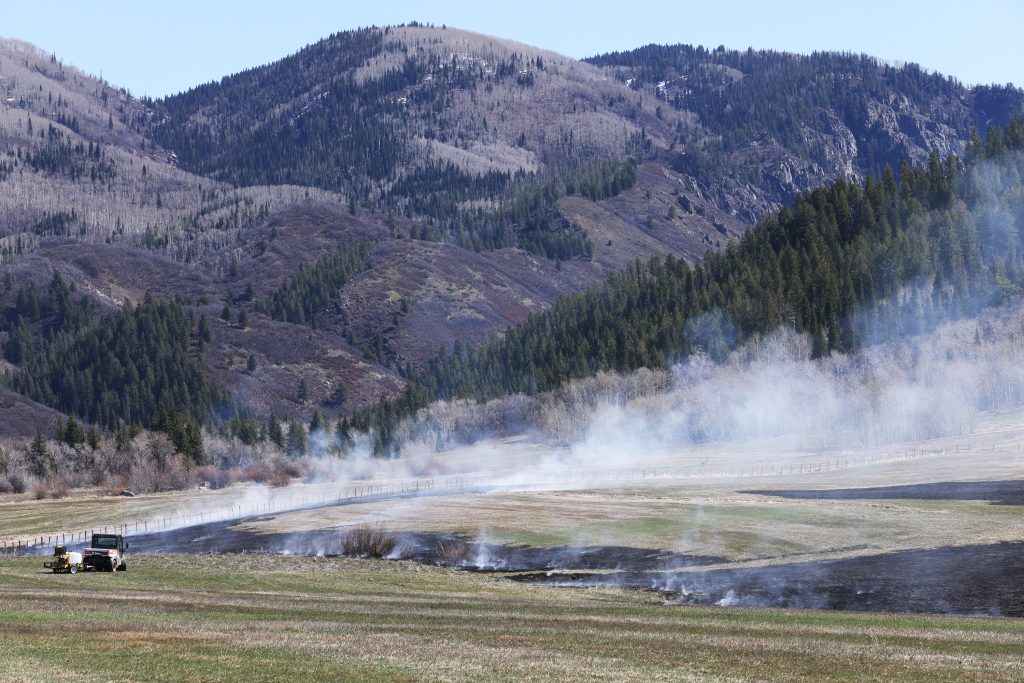
“Together, those two factors provide both more time and opportunity for fires to ignite and spread,” Balik said. “But we were curious, knowing that, what the implications of a low-snow year were for the severity of wildfires. What does snowpack mean for the effects of fire on our landscapes?”
Snowpack acts like a ‘savings account’ for forests
The impact of the snowpack on fire intensity — or how much of a forest’s trees and vegetation a wildfire consumes — had not previously been well studied, Balik said. Fire severity is important because while forests can survive low intensity fires, he said forests tend to have a more difficult time regenerating after high intensity fires that can kill adult trees and damage the next year’s seed source.
“These high severity fires can really change ecosystems,” Balik said. “They can cascade into other impacts on how those ecosystems store carbon, how they hold water in subsequent seasons and changes to the quality of habitat they provide for wildlife.”
Across the entire West, the study found that higher snowpacks were associated with less severe wildfires during the subsequent fire season, while lower snowpacks were linked to more severe wildfires.
Low snow reduces the soil moisture during the growing season, which results in trees and other plants drying out, Balik said. That increases how much of the forest will burn if a fire starts and how likely trees are to die as a result of the fire.
“Winter snowpack really acts as a kind of a seasonal water savings account for these western forests,” he said. “When that account runs low, the soils and vegetation dry out earlier, and those forests become more vulnerable to more severe fire.”
Colorado’s fire season has already begun
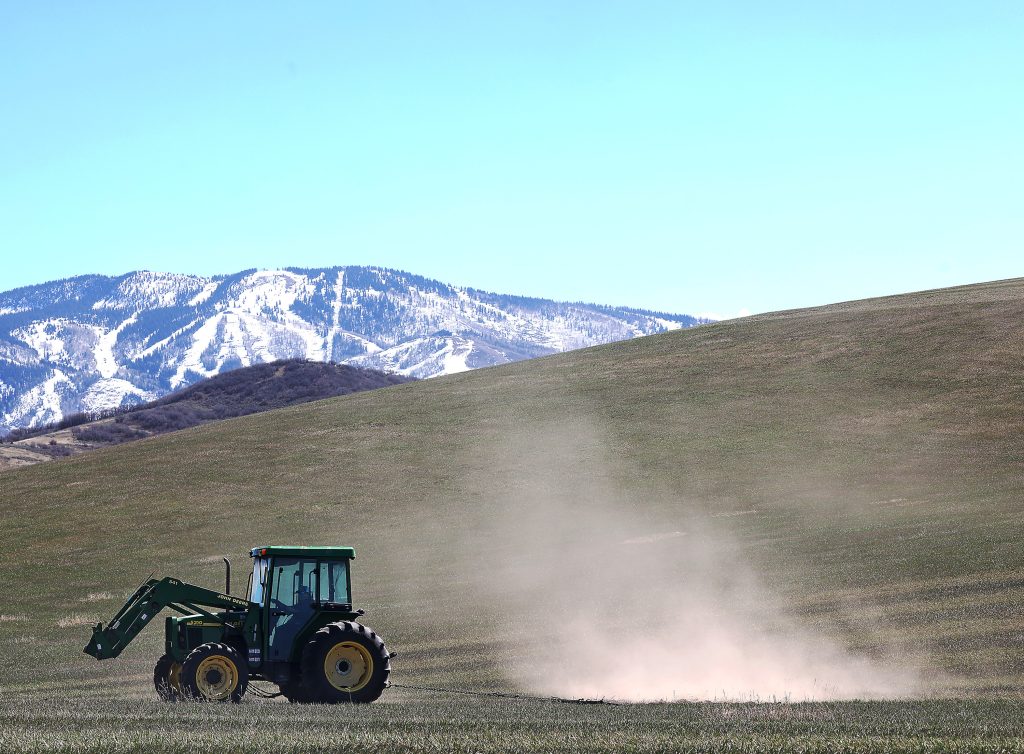
Balik said the study’s findings are made all the more noteworthy as Colorado and the West face some of the worst snowpack conditions on record.
Colorado’s snowpack has trended near all-time lows for much of the season and, as of the start of April, is likely worse than it’s ever been for this time of year, according to the state climatologist’s office.
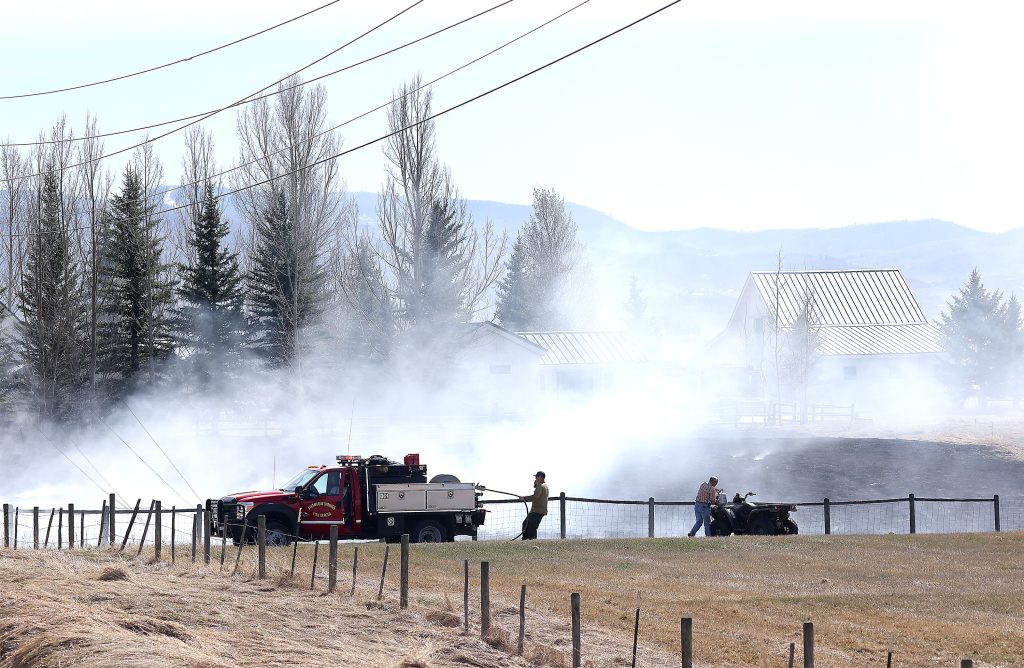
“We’ve already seen a fire south of Colorado Springs. There’s already huge fires in Nebraska,” Balik said. “Sure enough, we’ve had a low-snow winter and the fire season has effectively begun.”
With climate change, which is caused by burning fossil fuels that release heat-trapping gasses into the atmosphere, he noted that scientists predict the West will see warmer temperatures and lower snowpacks.
Looking at long-term snow patterns across the West, Balik noted that the four corners states, including Colorado, have seen the strongest evidence of long-term snowpack declines. While the snowpack in recent years has trended lower, he noted “there’s a lot of interannual variation,” due to climate patterns like the El Nino and La Nina.
Balik said the study shows that as climate change drives snowpack declines throughout the West, the region should anticipate longer fire seasons with fires that are not only larger but are more severe.
“This work really suggests that we need to start thinking about fire season as less of a summer phenomenon and more of a phenomenon that kicks off once the snow is gone,” he said.
The research also highlights that communities should make the most of winters with good snowpacks by focusing on prescribed burning and other wildfire mitigation measures when there is the opportunity, Balik said.
While the snowpack this winter suggests that the West could be heading into a dangerous fire season, he noted that weather patterns could still change for the better and people can reduce the risk of wildfires by acting responsibly.
“If we get a wet summer or a really wet spring, that could still make a difference,” Balik said. “And of course, it also very much depends on what people do. A lot of the most damaging fires are started by people. If we act responsibly when we’re out recreating, maybe we can start one fewer fire.”





Support Local Journalism
Support Local Journalism
Readers around Steamboat and Routt County make the Steamboat Pilot & Today’s work possible. Your financial contribution supports our efforts to deliver quality, locally relevant journalism.
Now more than ever, your support is critical to help us keep our community informed about the evolving coronavirus pandemic and the impact it is having locally. Every contribution, however large or small, will make a difference.
Each donation will be used exclusively for the development and creation of increased news coverage.