Steamboat Springs teen makes speedy return to the court after major back surgery
Lydia Pierce was diagnosed with painful genetic condition that kept her from playing basketball
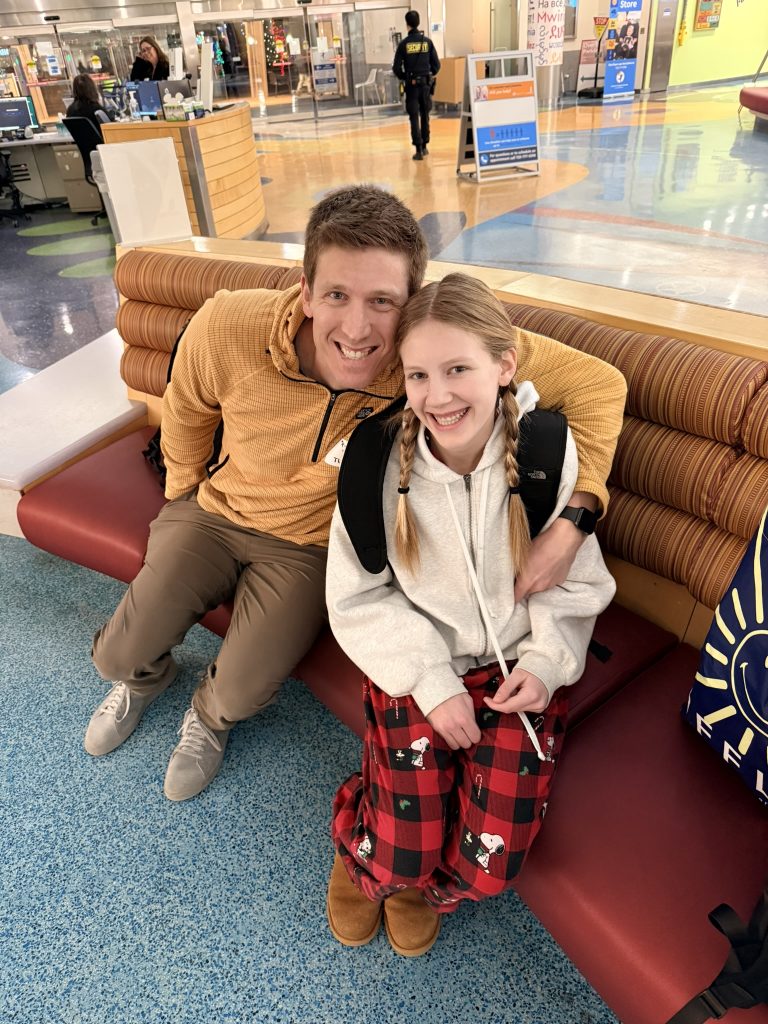
Children’s Hospital of Colorado/Courtesy photo
Lydia Pierce was just a normal young lady who loved playing basketball and volleyball. But a genetic condition put her athletic future in jeopardy and caused her immense pain.
It all started with what her parents thought was poor posture. They noticed she was hunching her back. But after Lydia was complaining of serious pain, the family received a diagnosis of Scheuermann’s kyphosis — a genetic developmental disorder characterized by a stark forward curve of the spine caused by the vertebrae in the spine growing in a wedge shape.
After physical therapy failed to correct the issue, Pierce’s hope to continue playing basketball and volleyball rested on surgery.
“I was hoping that I wouldn’t need surgery,” said Pierce. “But it hurt every single day.”
The surgery required a corrective rod to be screwed into Lydia’s back, said Dr. Sumeet Garg, who was Pierce’s surgeon. Kyphosis is less common than the more well-known condition scoliosis.
“Scheuermann’s kyphosis tends to develop over time in adolescents,” said Dr. Garg. “While the condition does not affect function, patients with kyphosis generally experience a lot of pain and issues with self-esteem.”
So she wouldn’t miss a lot of school, Lydia elected to have the four-hour surgery over the winter holiday.
“A lot of the guesswork has been taken out of the surgery and the modern technology has greatly reduced the risk of failure,” said Dr. Garg. “It’s actually very rare that a patient needs surgery for kyphosis. Typically 1 in 100 people need corrective surgery for kyphosis.”
What matters in your community, delivered daily.
Sign up at SteamboatPilot.com/newsletters
The first few days for Pierce were uncomfortable.
“I could not move very well in the hospital,” said Pierce. “Then we had a three-hour car ride back home where I had to lay flat the whole time.”
She needed a lot of help and had to sleep on the couch or in a recliner.
“It was the most painful thing I’ve been through. I couldn’t carry my books and the school chairs are uncomfortable,” said Pierce. “I also had to miss my basketball season.”
There were notable changes for her following the surgery. The position of her muscles changed and she grew 2 inches.
Her love of basketball and volleyball saw her through and within 60 days she was able to lace up her shoes and return to the court.
“I had to relearn all of the skills after surgery,” said Pierce. “My shooting form was messed up and I was so weak that I couldn’t get any power behind my shot.”
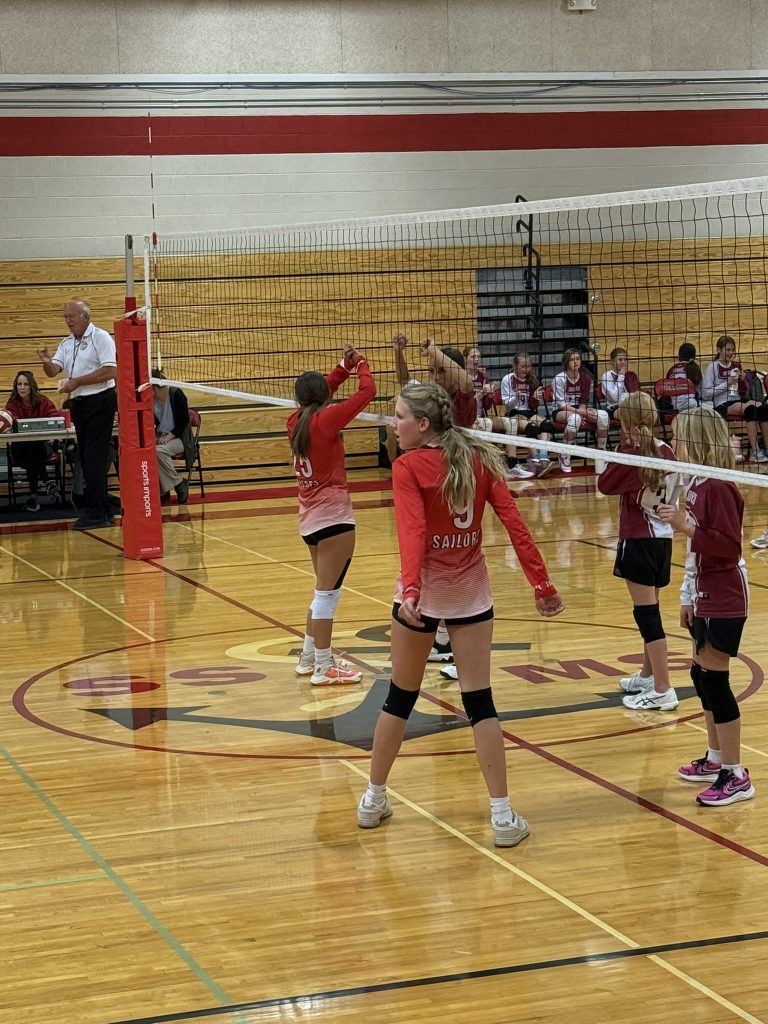
In the months since her surgery, she has continued to play basketball and volleyball, improving little by little and taking recovery one day at a time.
“To go from not being able to get into the car on my own to be playing basketball again so quickly really puts everything I’ve been through into perspective,” said Pierce. “It’s one thing to roll an ankle or have a common injury. But I came back from major surgery.”
Her pain has subsided significantly since the surgery.
The more active a person is, generally the quicker they recover, according to Dr. Garg. Six months after the surgery, up to 90% of patients are back to normal.
“I am so happy to be back to playing basketball pain-free,” said Pierce. “I love the sport so much and could not imagine my life without it.”









Support Local Journalism
Support Local Journalism
Readers around Steamboat and Routt County make the Steamboat Pilot & Today’s work possible. Your financial contribution supports our efforts to deliver quality, locally relevant journalism.
Now more than ever, your support is critical to help us keep our community informed about the evolving coronavirus pandemic and the impact it is having locally. Every contribution, however large or small, will make a difference.
Each donation will be used exclusively for the development and creation of increased news coverage.