Colorado Gov. Jared Polis signs bills aimed at wildlife safety, outdoor recreation, reckless driving
Measures were key priorities for Western Slope lawmakers this legislative session

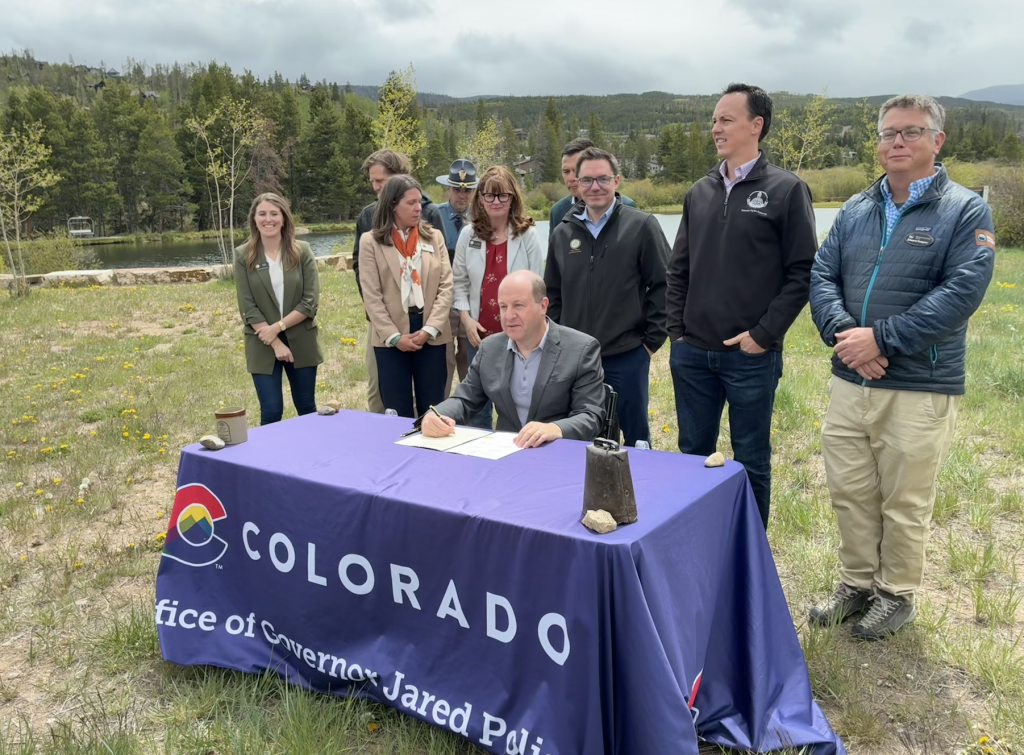
RC Liberali/For Sky-Hi News
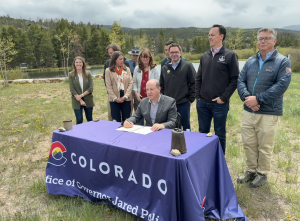
Bills targeting wildlife safety, outdoor recreation and reckless driving were signed into law by Colorado Gov. Jared Polis on Wednesday, May 27, during a stop in Grand County.
The bills were among the top priorities this year for Western Slope lawmakers, with some representing revamped versions of previous legislation that failed. Here’s a look at what’s now law.
Optional fees for wildlife crossings
Senate Bill 141 allows Colorado drivers to pay an optional $5 fee during their annual vehicle registration to fund wildlife crossings.
The bill represents a breakthrough for Western Slope lawmakers who have tried to pass legislation creating a dedicated funding stream for new wildlife safety infrastructure, such as overpasses, underpasses and fencing. A bill last year that would have imposed a mandatory fee on car insurance policies to generate the funding failed amid cost-of-living concerns.
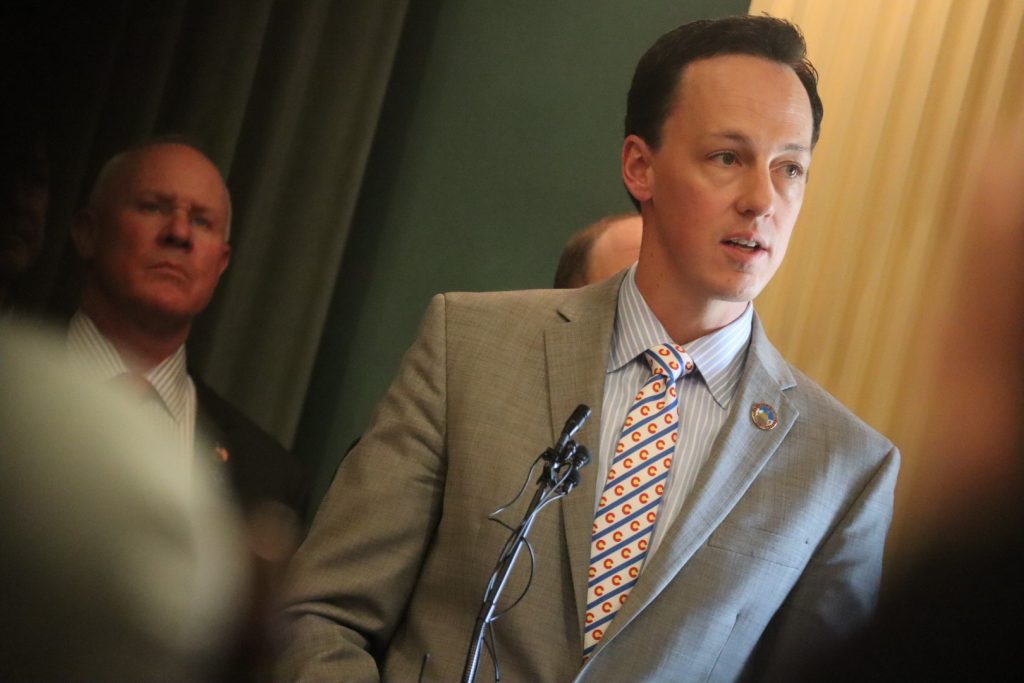
This year’s bill creates an optional fee similar to the Keep Colorado Wild Pass that provides access to state parks. Its prime sponsors were Sens. Dylan Roberts, D-Frisco, and Cleave Simpson, R-Alamosa, as well as House Speaker Julie McCluskie, D-Dillon, and Rep. Rick Taggart, R-Grand Junction.
At least 7,500 animals were killed on Colorado roadways in 2025, more than two-thirds of deaths occurring on the Western Slope. Roberts said that when wildlife crossings are created, it has led to a more than 90% drop in collisions.
“There’s very little that we can do in government that is over 90% effective — but wildlife crossings are that rare solution,” Roberts said in a statement. “This infrastructure is proven to reduce collisions with wildlife, protect humans and animals, and save drivers money. I’m proud to sponsor this bipartisan solution to create a sustainable, voluntary funding source that will make our roads safer, especially in rural Colorado.”
The bill is estimated to raise more than $3.9 million in the 2027-28 state fiscal year, according to an analysis by the nonpartisan Legislative Council Staff. The estimate assumes that roughly half of the 1.57 million people who pay for the state parks fee will also pay the optional wildlife fee.
The bill goes into effect on Oct. 1.
Cracking down on bear luring
House Bill 1342 lowers the standard of evidence required to charge someone for luring black bears and increases the fine from $2,000 to $5,000 after two offenses. It takes effect in August.
Initially, the bill would have shifted the standard of proof from intentional luring to carelessness, but that was changed following feedback from district attorneys. Under the final version that became law, a person can be found guilty for “knowingly placing the food or edible waste in the open in circumstances where there is a reasonable probability of luring a wild bear.”
The bill’s prime sponsors were Reps. Meghan Lukens, D-Steamboat Springs, and Katie Stewart, D-Durango, and Sen. Janice Marchman, D-Loveland.
Conflicts between humans and bears are on the rise. Colorado Parks and Wildlife received 5,229 reported incidents in 2025, and has seen a 15% increase in conflicts over the past six years.
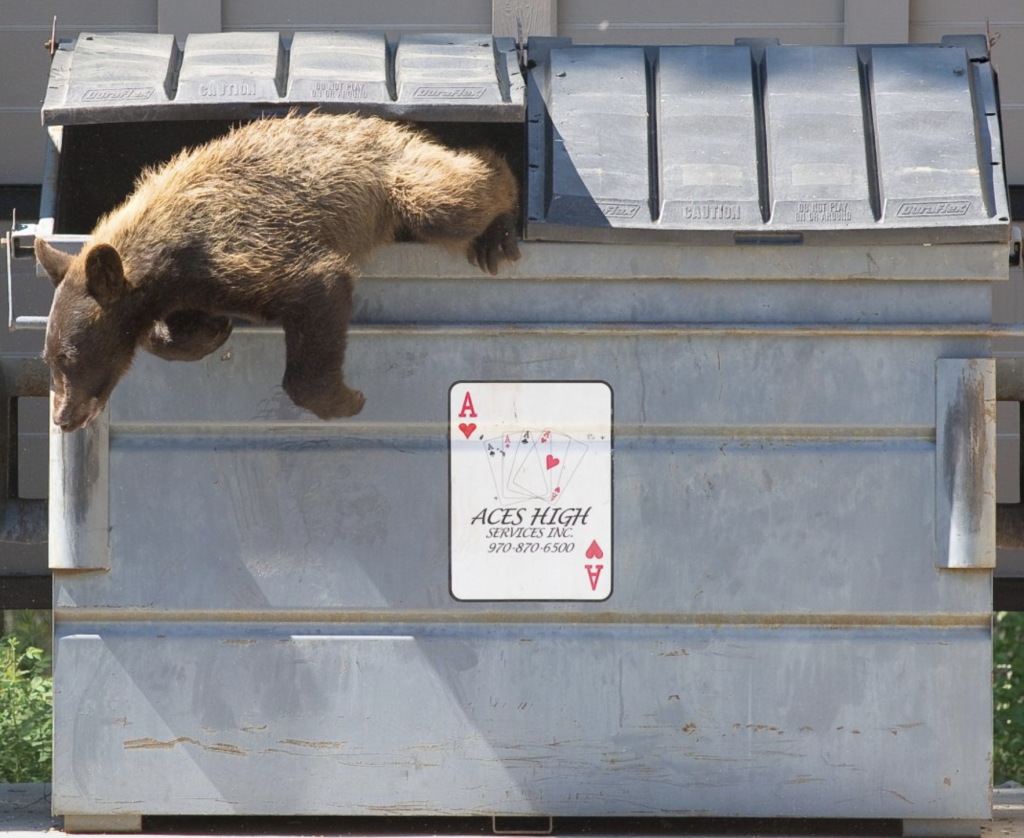
In a statement, Lukens said the bill is about helping change behavior that can lead to conflicts between people and bears. Incidents have, at times, led to bears being relocated or euthanized.
“Once a bear has learned how and where to obtain human food, it’s really difficult to unteach this behavior, which ultimately leads to more human-bear conflicts and costly bear relocations and euthanizations,” Lukens said, adding, “this law mitigates human behavior that attracts bears and helps prevent bears from digging through your trash in the first place.”
Expanding CPW’s role in managing recreation
House Bill 1008, dubbed the Colorado Outdoor Opportunities Act, expands Colorado Parks and Wildlife’s role in managing outdoor recreation. It is modeled after a similar bill introduced last year that failed to pass.
The bill was sponsored by Lukens, Taggart, Marchman and Sen. Janice Rich, R-Grand Junction.
In a statement, Lukens said the law “improves collaboration among key conservation efforts, agriculture, private landowners and other public land users to maximize the outdoor recreation potential of Colorado and protect our open spaces.”
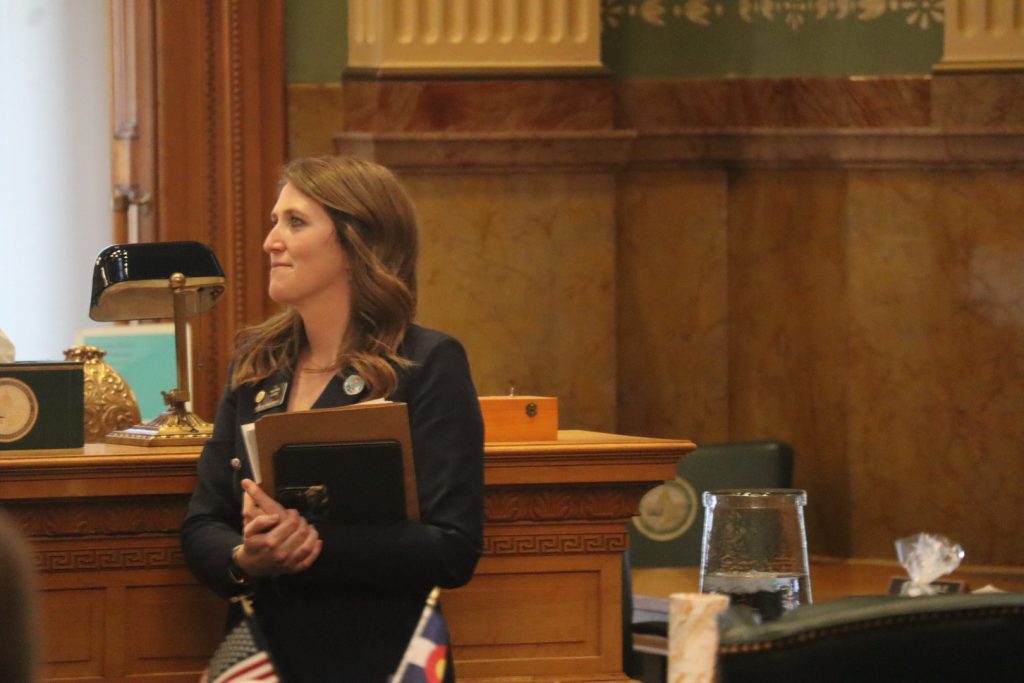
The bill designates the wildlife agency as the lead agency for coordinating outdoor recreation planning, managing visitor use, working with relevant stakeholders and data reporting.
The measure is meant to ensure Parks and Wildlife has clear directive and authority to manage issues like balancing recreation opportunities with private property rights, wildlife and natural resources. It is also seen as a key step toward implementing the Colorado Outdoor Strategy, a policy roadmap for how the state should approach recreation and conservation.
Increased penalties for reckless driving
Senate Bill 35 raises the penalties for drivers who speed and cross lanes in a no-cross zone.
It was sponsored by Roberts and Rep. Chad Clifford, D-Centennial, and comes largely in response to a series of deadly crashes on mountain roadways last year.
In 2025, Grand County officials recorded the deadliest year in a decade on county roadways, with 11 deaths and 24 people seriously injured due to vehicle collisions. That included a family of five who were killed in August in a head-on collision south of Kremmling after the driver of a Ford F-150 truck, who was heading northbound, drove into the southbound lane and struck their vehicle, according to local officials.
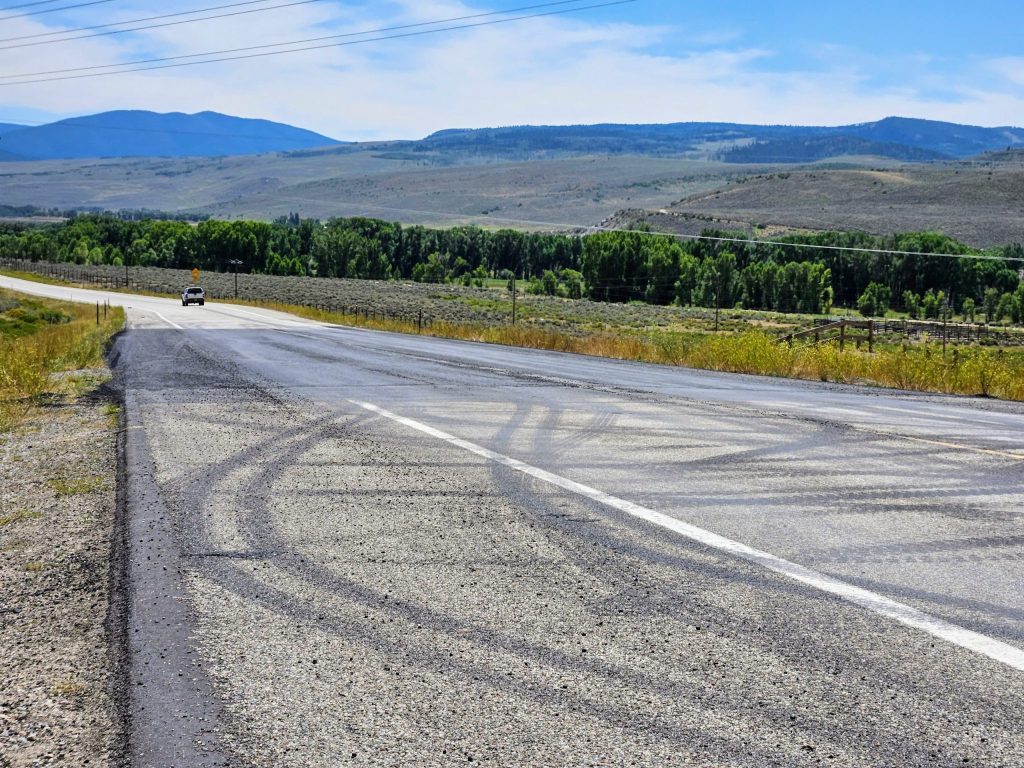
The new law, which takes effect in August, doubles the points issued against a driver’s license from four to eight for passing on a solid yellow or double-solid yellow line, which is considered a no-passing zone. It also requires drivers who have multiple speeding violations to appear in court to settle their fines and increases points for repeat speeding violations.
Drivers who face two speeding tickets in one year will receive two points on their licenses, four points for three or more violations in a two-year period and eight points for five or more violations within a five-year period. The bill also imposes a four-point license penalty for drivers who are ticketed going 100 mph or more, regardless of the speed limit.








Support Local Journalism
Support Local Journalism
Readers around Steamboat and Routt County make the Steamboat Pilot & Today’s work possible. Your financial contribution supports our efforts to deliver quality, locally relevant journalism.
Now more than ever, your support is critical to help us keep our community informed about the evolving coronavirus pandemic and the impact it is having locally. Every contribution, however large or small, will make a difference.
Each donation will be used exclusively for the development and creation of increased news coverage.