Synthetic kratom 7-OH led to two Yampa Valley deaths
More powerful than morphine, 7-OH sold in area stores
Special to the Steamboat Pilot & Today
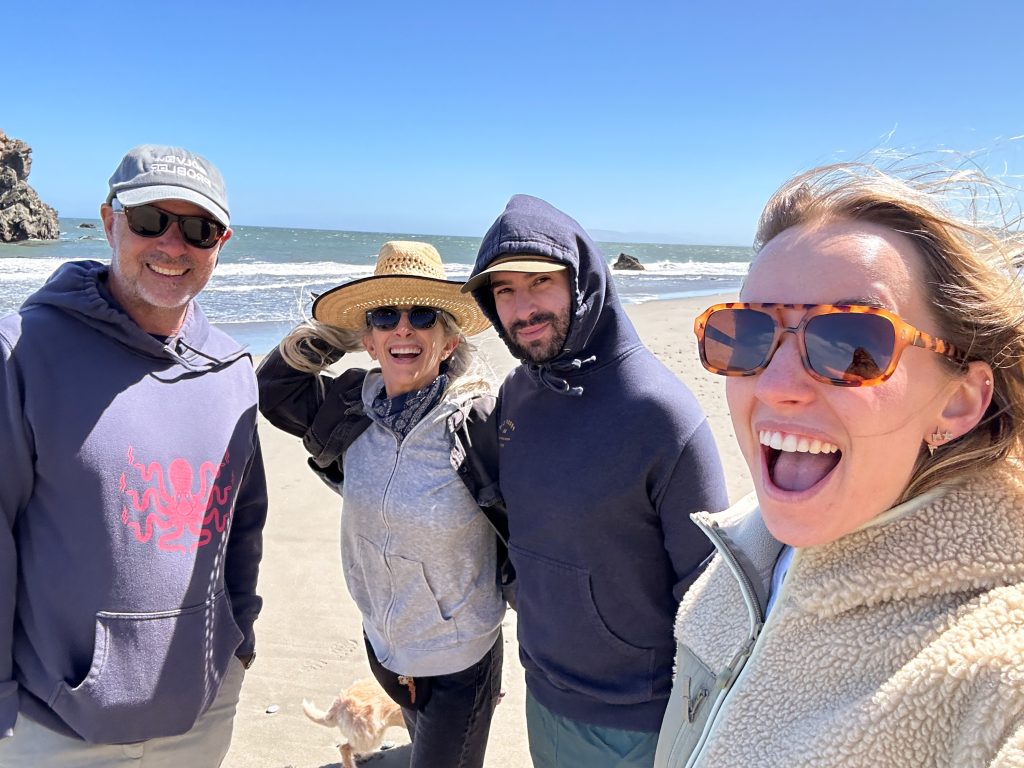
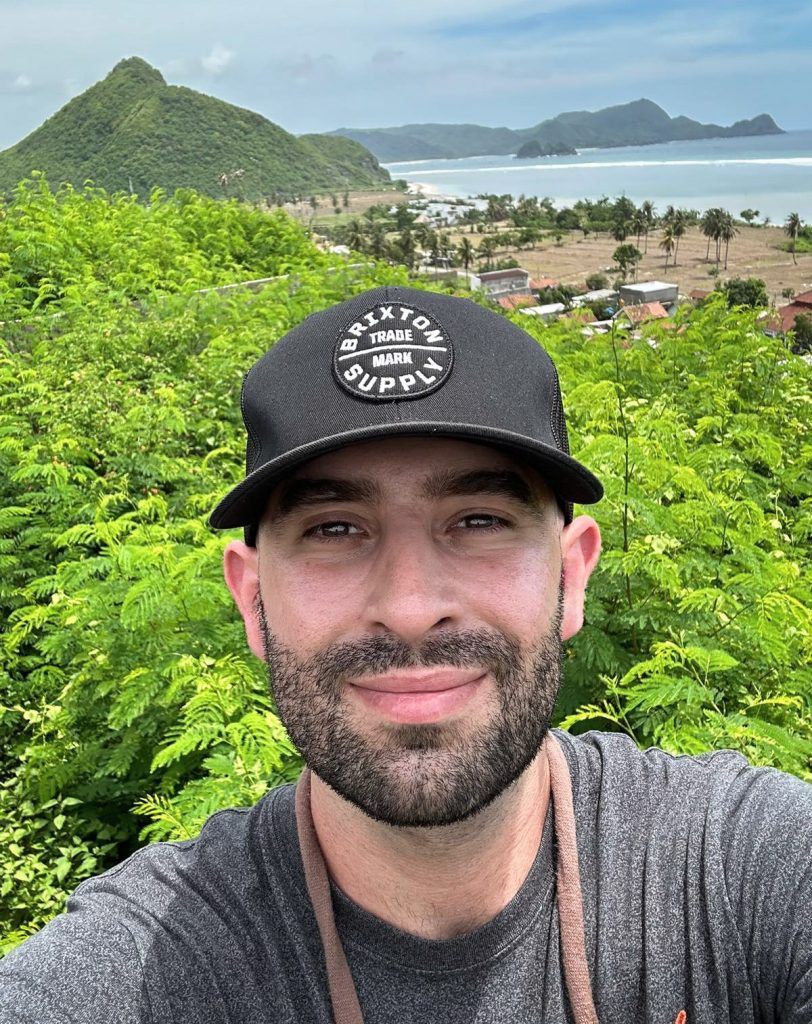
Rausser family/Courtesy photo
As she plans this weekend’s celebration of life for her only son, who died in May in Steamboat Springs, mom Stephanie Rausser remains “enraged.”
“The fact that this substance is so toxic and readily available, there is not even room for all that rage yet,” said Rausser, speaking of the synthetic drug known as 7-OH, or 7-hydroxymitragynine, that is a potent, opioid-like compound derived from the kratom plant.
In early May, 29-year-old Denver resident Max Cowell, son of Rausser and husband Lawrence Cowell of California, was visiting a female friend in Steamboat. During an evening of restaurant and bar hopping with friends, Max Cowell purchased 7-OH at The Y-Not Shop in downtown Steamboat, according to Steamboat Springs Police Department reports.
When Cowell felt ill, he decided to rest at the friend’s apartment while acquaintances continued going out to celebrate a birthday. Late-morning the next day, Cowell was found dead laying in the same position on top of the bed.
The friend told police that Cowell had consumed a few alcoholic beverages, and she witnessed Cowell take one-fourth of a 7-OH tablet, which police reported was a 60 mg grape-flavored Pocket Sevens brand. Cowell also was taking prescription medication for anxiety, according to family and police.
The Routt County Coroner’s Office deemed Cowell’s death an accident, noting, “Based on the history provided and the autopsy findings, the likely cause of death is complications of combined Alprazolam and ‘kratom’ toxicity.”
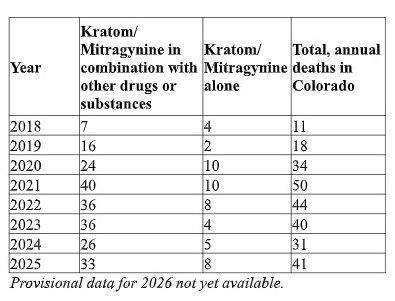
The Colorado Department of Public Health and Environment reports 240 deaths in Colorado from 2020 through 2025 attributed to kratom/mitragynine alone or combined with other drugs or substances.
Physician Assistant Tracey Wall at Porch Light Health in Craig works with patients addicted to the powerful synthetic substance. She explained the primary cause of 7-OH overdose is respiratory depression where victims “stop breathing, essentially.”
According to the U.S. Drug Enforcement Administration, consumption of kratom leaves from the plant native to southeast Asia produces both stimulant effects in low doses and sedative effects in high doses. Kratom contains two major psychoactive ingredients – mitragynine and 7-hydroxymytragynine – and concentrated products can lead to psychotic symptoms and psychological and physiological dependence.
Wall wants the public to understand that synthetic kratom is highly addictive and can lead to withdrawal symptoms but that effective treatment is available through clinics such as Porch Light.
Rausser stressed she did not want her son’s life story to be reduced to one final rash act. She described her son as “exceptionally intelligent, relentless, courageous and funny.”
“This isn’t simply a story about personal responsibility,” Rausser said. “But there is responsibility on the other side too — responsibility for what is put into the marketplace, how it is represented, how easily it can be obtained and whether vulnerable people are being adequately protected.”
“I am angry because a powerful substance was readily accessible to someone who had already endured profound trauma and was vulnerable in ways that were not necessarily visible to the outside world,” Rausser said.
Cowell’s parents believe his use of prescription medications and psychoactive substances was “rooted in the severe childhood sexual abuse he endured at the hands of an older male relative” and that the trauma was “so overwhelming that substances become a way to numb or escape it.”
Rausser has since become a member of the nonprofit organization Hidden Water that provides restorative justice healing circles and prevention training for individuals and families affected by child sexual abuse.
The mom was not surprised her son tried synthetic kratom because she said he was an adventurous young man who loved playing sports, snowboarding, hiking, listening to rap music and traveling to places such as Bali.
Rausser noted the packaging on the Pocket Sevens product her son purchased in May had a nonfunctioning QR code and website address. The instructions for the small pressed tablets noted “start with 1/16 or 1/8 of tablet,” a size that Rausser said would be difficult to cut.
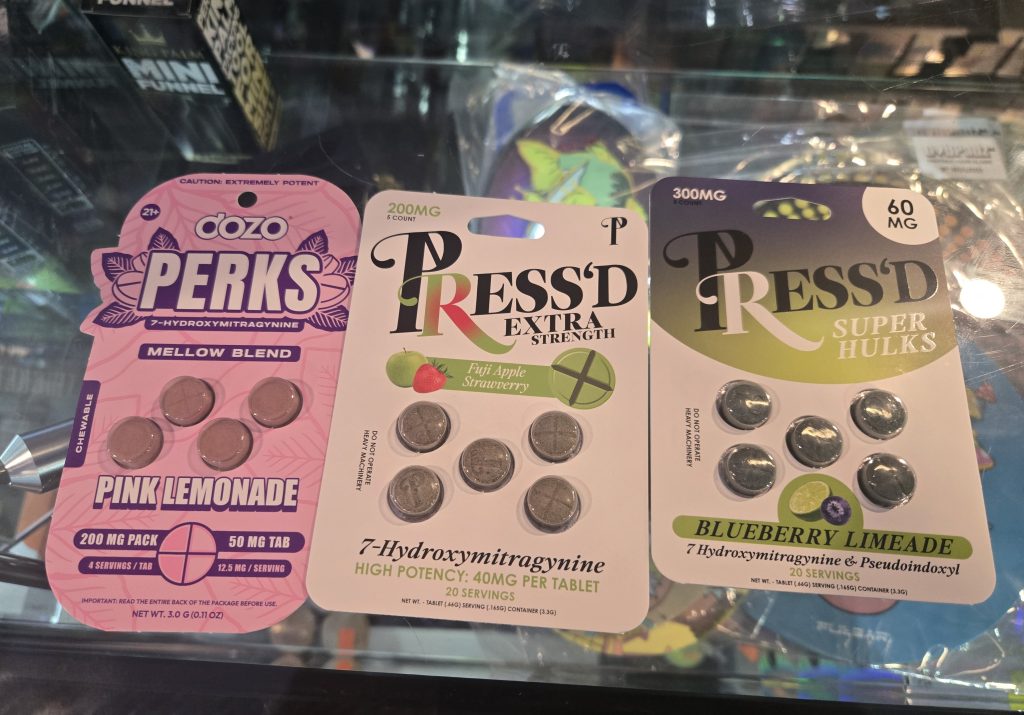
A reporter’s visit on Sept. 3 to The Y-Not Shop in Steamboat showed a variety of natural kratom for sale that is legal to buy for age 21 and older, with products shelved behind glass. The shop also stocked three types of potent, synthetic kratom 7-OH available to see by request and stored out of public view. The 7-OH products for sale currently include extensive warnings on the reverse packaging and are distributed by companies in Wyoming and California.
“I don’t want Max’s death dismissed as simply another young person making a bad choice,” Rausser said. “I want his story to force a much bigger conversation about 7-OH — who it reaches, why vulnerable people turn to it, how it is being deceitfully sold and why something with potentially devastating consequences was so readily available to my son.”
In addition to Cowell’s death, a 23-year-old man from Westminster was found dead in his truck on June 21 in the McDonald’s parking lot in Craig, according to Craig police. The cause of death reported by the medical examiner in Grand Junction was “drug 7-hydroxymitragynine intoxication.”
Craig police say the Westminster man was working in the oil industry in Utah and was traveling home when he purchased 7-OH at a shop in Dinosaur. The man’s mother had called police concerned her son had not made it home.
The packaging found by Craig police was Dopium brand 80 mg tablet in a grape slushie flavor distributed from a company in Cheyenne, Wyoming. The packaging noted a serving size of one-half a tablet per 24 hours, yet Craig police reported two tablets were missing.
“It’s a very dangerous product,” Craig Police Lt. Anthony Fandel noted of 7-OH. “Stay away from it. You never know how your body is going to react to it.”
Both fatalities in the Yampa Valley are considered closed cases by local law enforcement. Area police urge citizens to, “Learn about the risks associated with 7-OH and kratom products. Talk with children and young adults about products that may be marketed as natural, legal or dietary supplements. Be cautious of product labels and marketing claims. Seek help if you or someone you know is struggling with kratom or 7-OH use.”
In a move that area law enforcement officials, drug treatment experts and university researchers call a good first step, the U.S. Drug Enforcement Administration on Aug. 25 placed three 7-hydroxymitragynine-related substances in schedule I of the Controlled Substances Act.
“The Department of Justice today announced the emergency scheduling of three highly potent opioid compounds that pose an imminent hazard to public safety: mitragynine pseudoindoxyl, commonly known as MGPI, and two synthetic compounds known as MGM-15 and MGM-16,” according to a media release.
U.S. Attorney General Todd Blanche noted, “These are potent opioids being manufactured and sold in consumer products, often under labels that obscure their true risks.”
However, the federal step does not keep dangerous synthetic kratom 7-hydroxymitragynine, or 7-OH, derived from kratom leaves from being sold in shops in the Yampa Valley.
“This is a really good first step for the federal government to be controlling those three synthetic substances,” said Tracey Wall, a physician assistant at Porch Light Health in Craig. “The next good step would be to also federally control the high-concentration 7-OH products … and then the risk will be substantially lower for overdose. ”
“I’m not even clear which substances have those synthetic substances in them and which ones are just 7-OH,” said Wall, a physician assistant for almost 20 years. “I have not had any patients who really understand. Most people don’t really know exactly what’s in it.”
“People don’t realize because it’s sold at gas stations and the smoke shops … the potential for dependence,” Wall said. “Some people I’ve seen with this have no history of substance use whatsoever. It can seem innocent, and it can be advertised as organic and healthy, but really it is more powerful than morphine and causes dependency so quickly that it is quite difficult to stop on your own.”
David Kroll, Ph.D., a professor of natural products pharmacology and toxicology at University of Colorado Anschutz, has been studying kratom compounds for 10 years.
“The problem with all of these temporary rescheduling efforts is that they come with no additional funding for state and local law enforcement to take action, nor does it provide any funding for individuals to obtain medical treatment for withdrawal from these addicting opioid drugs,” Kroll said. “The federal order does indeed suggest that retailers should relinquish their remaining 7-OH stock but doesn’t state to whom.”
Wall said much more education is needed in the region about synthetic kratom for everyone from consumers to medical providers to law enforcement officials because there are “a lot of people who don’t really understand what we’re dealing with.”
Kroll warned that natural and semi-synthetic compounds from kratom “have great health risks when combined with any other depressant of the central nervous system,” adding “anyone still in possession of 7-OH or the newly-banned mitragynine compounds should never even drink alcohol while taking them, much less any other type of sedating drug.”
Substance use recovery support is available through the SAMSHA National Helpline at 800-662-4357 that offers free and confidential information and referrals.





Support Local Journalism
Support Local Journalism
Readers around Steamboat and Routt County make the Steamboat Pilot & Today’s work possible. Your financial contribution supports our efforts to deliver quality, locally relevant journalism.
Now more than ever, your support is critical to help us keep our community informed about the evolving coronavirus pandemic and the impact it is having locally. Every contribution, however large or small, will make a difference.
Each donation will be used exclusively for the development and creation of increased news coverage.