Colorado bills targeting homeowners insurance relief, mobile home park protections become law
Measures were top priorities for Western Slope lawmakers who represent high-cost mountain towns

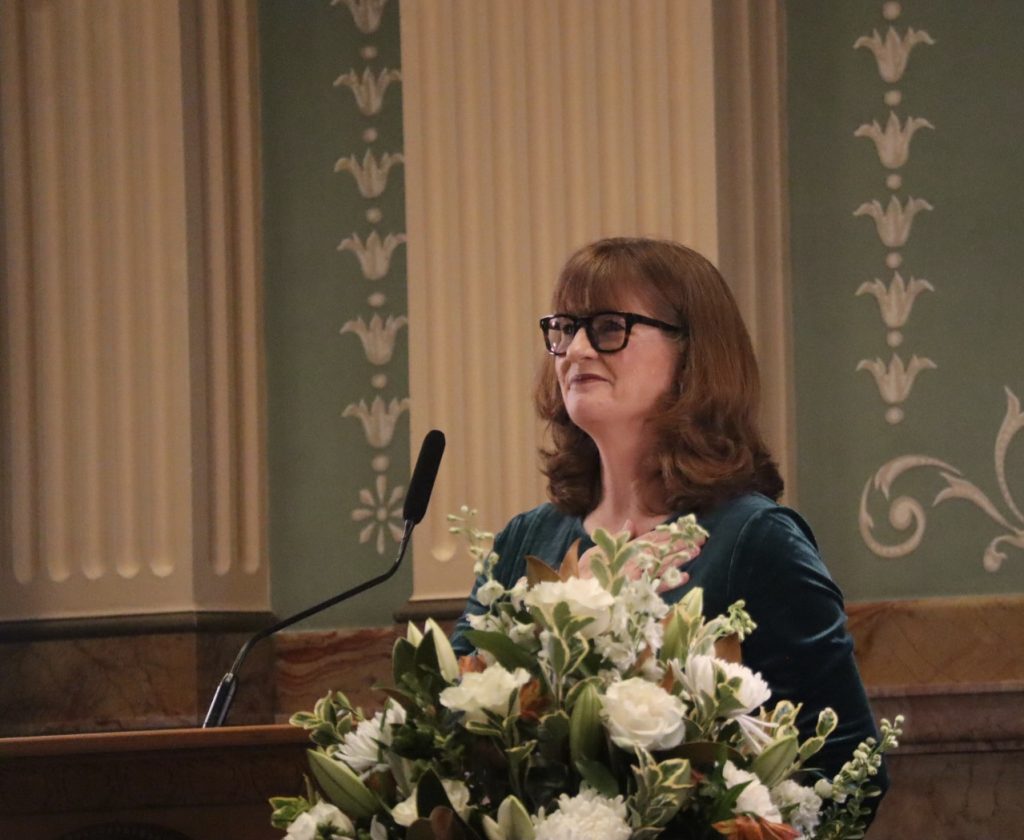
Robert Tann/The Aspen Times
Legislation aimed at bringing down homeowners insurance costs and bolstering protections for mobile home park residents were among the last bills signed this year by Gov. Jared Polis, who is in his final year in office.
Both measures were key priorities for Western Slope lawmakers who represent some of the highest cost-of-living areas in the state.
Senate Bill 155, signed by Polis on June 4, creates a grant program to help homeowners pay for hail-resistant roofs. The bill funds the program by charging a 0.5% fee on every plan written by homeowners insurance companies, which lawmakers believe will generate up to $100 million in the program’s first five years.
“As climate change creates increasingly damaging hailstorms, all homeowners pay the price,” House Speaker Julie McCluskie, a Dillon Democrat and one of the bill’s main sponsors, said in a statement. “This law helps prevent property damage from hail and wind storms to save all homeowners money on their insurance premiums.”
Colorado ranks as the sixth-costliest state for homeowners insurance, with average premiums more than doubling between 2018 and 2023, according to a report last year from Colorado State University. Hail was identified as the single-largest driver of premium increases, accounting for from 26% to 54% of a premium’s costs, according to a recent study by the Colorado Division of Insurance.
Those costs are felt by homeowners across the state, even in places where hail is less frequent.
McCluskie tried last year to pass a similar bill that was also a priority for Polis, but that effort failed after three Democrats joined with Republicans on a Senate committee to kill the bill.
One of those Democrats was Sen. Kyle Mullica of Thornton, who raised concerns that last year’s bill’s funding mechanism would increase costs for homeowners. The bill proposed a 1% fee on all homeowners insurance plans to generate revenue for two separate funds, one aimed at hail mitigation, and another that would have created a reinsurance program to help offset insurers’ losses from catastrophic fire.
To win over support from Mullica and other Democrats, this year’s bill included language that prevents insurers from passing the fee onto policyholders as a surcharge. Mullica was a lead sponsor of this year’s bill alongside McCluskie and Reps. Kyle Brown of Thornton and Janice Marchman of Loveland, all of whom are Democrats.
“What changed for me is that it’s not a surcharge,” Mullica said during a press conference in April introducing the bill. “The people of Colorado are going to come out on top here.”
This year’s bill also does not fund a wildfire reinsurance program and instead commissions a study to look into creating such a program.
Republicans, who uniformly opposed the bill, were skeptical of Democrats’ claim that a fee on insurers would not be passed onto homeowners.
“Businesses incur expenses for everything that they do,” said Rep. Anthony Hartsook, R-Parker, in May during a debate on the House floor. “This is going to be another expense that is spread across all policyholders.”
In a statement, Polis said the legislation “will save people money,” and builds on his roadmap to slash average homeowners insurance premiums by $800 by the end of next year.
More transparency for mobile home park sales
Polis also signed House Bill 1224 on June 2, which expands protections for mobile home park residents when the land underneath their units is sold.
The bill requires mobile park landlords to disclose certain information when they decide to sell their property, including an explanation of the price, the age of the park’s infrastructure, inspection reports, rent data with redacted personal information and the park’s operating expenses. If a mobile home park is being sold as part of a packaged portfolio sale with other real estate, landlords must also disclose any changes or discounts for its sale.
The bill also caps how much landowners can charge tenants for the annual mobile home park registration fee required by the state. The bill caps the fee at $17, or half the registration fee, whichever is less.
Under a 2022 state law, mobile home residents have the right of first refusal to buy their park if the landowner chooses to sell. Proponents of this year’s bill say the measure is aimed at ensuring those residents have the information they need to organize for a purchase, and that they are on equal footing with other interested buyers.
Rep. Elizabeth Velasco, a Glenwood Springs Democrat who grew up in a mobile home in Eagle Country, said in a statement that mobile home parks “are one of the most common affordable housing options we have in Colorado, especially on the Western Slope.”
She was a prime sponsor of this year’s bill alongside Rep. Jacque Phillips, of Thornton, and Sens. Kyle Mullica of Thornton and Dylan Roberts of Frisco, all of whom are Democrats.
“This will help give residents the time and information they need to present a strong bid to purchase the park, preserving existing affordable housing,” Velasco said.






Support Local Journalism
Support Local Journalism
Readers around Steamboat and Routt County make the Steamboat Pilot & Today’s work possible. Your financial contribution supports our efforts to deliver quality, locally relevant journalism.
Now more than ever, your support is critical to help us keep our community informed about the evolving coronavirus pandemic and the impact it is having locally. Every contribution, however large or small, will make a difference.
Each donation will be used exclusively for the development and creation of increased news coverage.