With progress in genetic testing, patients advised to retest every five years

Suzie Romig Follow

Sarah Cherry/Courtesy photo
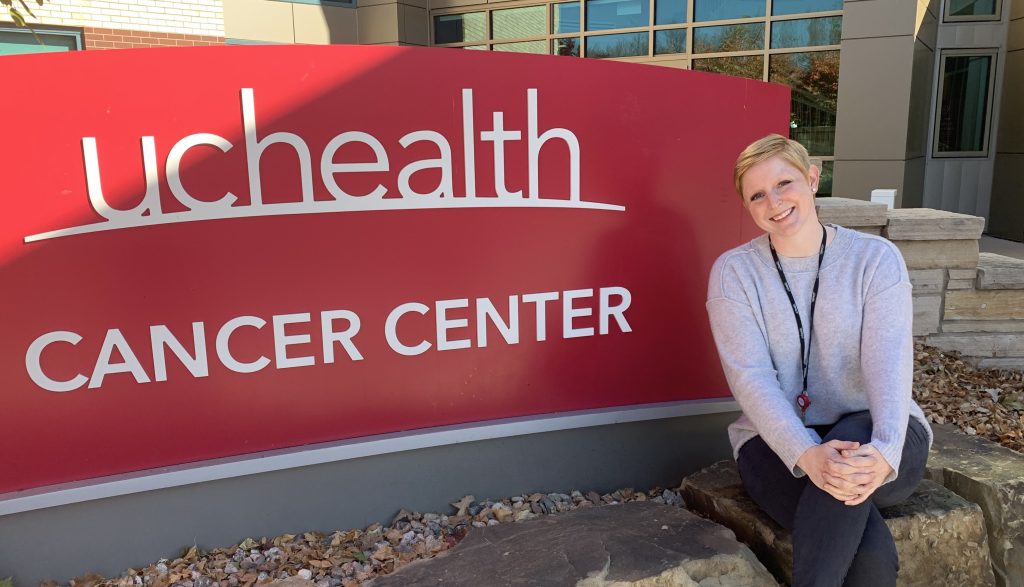
South Routt resident Sarah Cherry has battled breast cancer twice, in 2013 and 2018, and each time she was surprised that genetic testing for gene mutations came back negative.
Based on her family history of cancers diagnosed at young ages plus her concern for risks of other cancers, Cherry went back for broader DNA and RNA genetic testing last year.
In 2013, Cherry was tested for the two BRCA genes. In 2018, she was tested for 29 genes. By 2022, she was tested for 84 genes, both DNA and RNA, that came back with a positive result for a PALB2 gene mutation for an increased risk of breast cancer.
“It is worth testing again to see if there is something new,” said Cherry, who has since trained to be a medical assistant. “I just felt like I had something because I had breast cancer twice before I was 45.”
The cost for the most current genetic testing for Cherry was $100 with insurance, and for most people, the testing costs up to $250 depending on insurances.
Genetic Counselor Kim Kinnear, who sees patients at the UCHealth Jan Bishop Cancer Center in Steamboat Springs, said scientific progress in testing for genetic mutations has been “significant and steady.” The criteria for who is recommended for testing for the risk of inherited cancers is expanding all the time.
“If your testing is more than five years old, it’s time to ask about updated testing,” Kinnear said.
Kinnear wanted to clear up a “pervasive misunderstanding” that breast cancer risk could not be passed down from dad to daughter or from a dad’s side of the family.
“Anyone with breast or ovarian cancer on either side of the family could inherit the risk,” Kinnear said.
She said many gene mutations that increase risk for breast cancer also increase risk for other cancers such as prostate or ovarian cancer, and these mutations can be inherited from either parent.
Kinnear said genetic testing today “is finding positive results in some surprising places including in individuals or families who would not have met criteria for genetic testing even a couple years ago.”
The counselor said a big advantage of knowing about genetic mutations is that patients can choose to undergo earlier or more comprehensive cancer screenings, such as breast MRI or earlier colonoscopy.
Some patients may be thinking about testing but remain on the fence because a positive result for a mutation may weigh on their mind. However, knowing the facts can help patients be proactive.
“If you have a strong family history of cancer and you’re anxious about doing testing because of the possibility of a positive result, my guess is that you’re already worrying quite a bit,” Kinnear said. “If we identify a specific genetic risk, we can make a plan to protect you and your family.”
Kinnear said one question people often ask during pre-testing genetic counseling is, “How will this impact my health insurance?” The federal Genetic Information Nondiscrimination Act of 2008 protects most Americans against discrimination based on genetic information by employers and health insurance companies, Kinnear said.
Even if breast screening patients do not opt for genetic testing, or if the genetic testing comes back negative, staff at the UCHealth Gloria Gossard Breast Care Center model empiric risk to determine whether a patient needs to consider earlier or different cancer screenings.
Dr. Malaika Thompson, medical director at the center, said when staff gather a patient’s family history, they ask about other cancers that can be related to breast cancer through genetic mutations, specifically ovarian, pancreatic and prostate cancers. They follow the National Comprehensive Cancer Network’s guidelines to determine if patients qualify for genetic testing based on their family history of cancers. Some patients meet the criteria for a screening MRI, or genetic testing and both.
Scientists do not yet know all the genes that cause cancer, so keeping up-to-date on genetic testing could be helpful. Patients often want to have genetic testing done to provide information for their children or family members, or to learn their risks so they can be around for their children as long as possible, Kinnear said.
“My personal advice is being able to know sooner that you have increased risk allows you to make proactive decisions about your health rather than reactive,” Cherry said. “You may be able to avoid some of the treatments with more side effects such as chemotherapy and radiation if you know you have a genetic mutation that puts you at higher risk.”
Genetic Counselor Kim Kinnear, who sees patients at the UCHealth Jan Bishop Cancer Center in Steamboat Springs, said patients with a family history of early cancers should start screenings 10 years before the earliest diagnosis age of a close family member with hereditary cancers such as breast, colon or rectal cancers, or at the earliest recommended age for screening, whichever is earlier.
“Start asking your doctor about breast screenings or mammograms at 40, or 10 years earlier than the youngest diagnosis of breast cancer in the family, whichever is younger,” Kinnear said. “If you have a young cancer in your family, ask your primary care provider if you need to be considering screening for any cancers earlier than usual.”





Support Local Journalism
Support Local Journalism
Readers around Steamboat and Routt County make the Steamboat Pilot & Today’s work possible. Your financial contribution supports our efforts to deliver quality, locally relevant journalism.
Now more than ever, your support is critical to help us keep our community informed about the evolving coronavirus pandemic and the impact it is having locally. Every contribution, however large or small, will make a difference.
Each donation will be used exclusively for the development and creation of increased news coverage.