Weekly wellness: Social work provides support through cancer diagnoses
UCHealth
Cancer is hard, but everything that comes with it – from paying bills and coordinating appointments, to facing the emotional weight of a diagnosis – can make it even harder.
That’s where social work comes in.
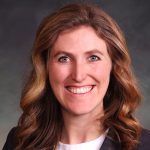
“My role has different layers to it,” said Katie Keller, a social worker at UCHealth Jan Bishop Cancer Center in Steamboat Springs. “A significant part of my job is helping identify any obstacles that might prevent someone from accessing or continuing treatment. I also provide emotional support throughout a person’s diagnosis, helping them navigate what can often be a challenging time.”
Overcoming hurdles to treatment
One of Keller’s focuses is to help uncover hurdles to treatments – such as transportation issues or the need to take time off of work – and then find solutions. Consider, for instance, the financial impacts of a diagnosis.
“There are insurance premiums, travel expenses, care required outside of our clinic,” Keller said. “My job is to look at those stressors and help find resources that lessen them.”
Without addressing those issues, patients may skip appointments, which impacts care.
“When people maintain consistency in treatment, the outcome is better,” Keller said. “I can help problem solve and determine where there are resources to help patients get through this.”
Navigating the emotional toll
Keller also helps patients manage the emotional weight of a cancer diagnosis in a variety of ways. For instance, she can connect patients with support groups, which can help them feel less alone, and serves as a steady support through the treatment process.
She also helps counsel patients and their families.
“There are many emotions that come up during this journey – it is important to have a safe place to express yourself. Everyone who’s diagnosed with cancer has a hard diagnosis, and it’s important to be really honest with that,” Keller said. “Having someone to talk with who you don’t have to take care of or worry about how your thoughts are impacting them is really important in navigating a diagnosis.”
Keller notes that it’s important to be aware of the language used in a cancer diagnosis. For some patients, using the words “be strong and fight” can set an impossible standard.
“Those words can set people up to feel like they’re not doing a good job in managing their diagnosis if they show their vulnerabilities of being sad or discouraged,” Keller said. “In fact, it is normal to feel sad, discouraged, and feel that the diagnosis is unfair.
“I have been witness to many individuals who navigate a terminal diagnosis with a lot of beauty and honor, and still face their own mortality.”
Agency through the diagnosis
For many patients, receiving a cancer diagnosis can feel like being thrust into a situation that feels out of control. Keller can help patients identify small steps to regain some agency.
“Oftentimes, anxiety increases in cancer when we’re focused on all the things we can’t control,” Keller said. “By focusing on the things you can control, what are the steps you can take, people realize, ‘Oh wait, I get to choose what I eat, I get to choose when I go for a walk.'”
It’s important to note that support for patients doesn’t end when treatment ends. For many people, that’s when the emotional weight hits.
“After treatment ends, some individuals struggle with the idea of, ‘Who am I now?'” said Keller. “Often, people also have a fear of recurrence. I think it’s a really important time to support and be available for people.”
While navigating cancer is always difficult, the support that a social worker provides can make a big difference.
“Nobody wants to have cancer. No one walks in excited to be here. A lot of people say, ‘I can’t do this, I don’t have time for this,'” Keller said. “When people acknowledge the hard, the anxiety, the impact, all of a sudden, they can start talking about it and maybe not be all consumed by it. Then they switch to this place of, ‘I’ve got this. I do have these steps I can take.'”
Susan Cunningham writes for UCHealth Yampa Valley Medical Center. She can be reached at cunninghamsbc@gmail.com.





Support Local Journalism
Support Local Journalism
Readers around Steamboat and Routt County make the Steamboat Pilot & Today’s work possible. Your financial contribution supports our efforts to deliver quality, locally relevant journalism.
Now more than ever, your support is critical to help us keep our community informed about the evolving coronavirus pandemic and the impact it is having locally. Every contribution, however large or small, will make a difference.
Each donation will be used exclusively for the development and creation of increased news coverage.