Spring runoff flows reaching levels usually seen a month later
Tighter water-conservation rules, recreational river closures looming for summer

Suzie Romig Follow
John F. Russell/Steamboat Pilot & Today
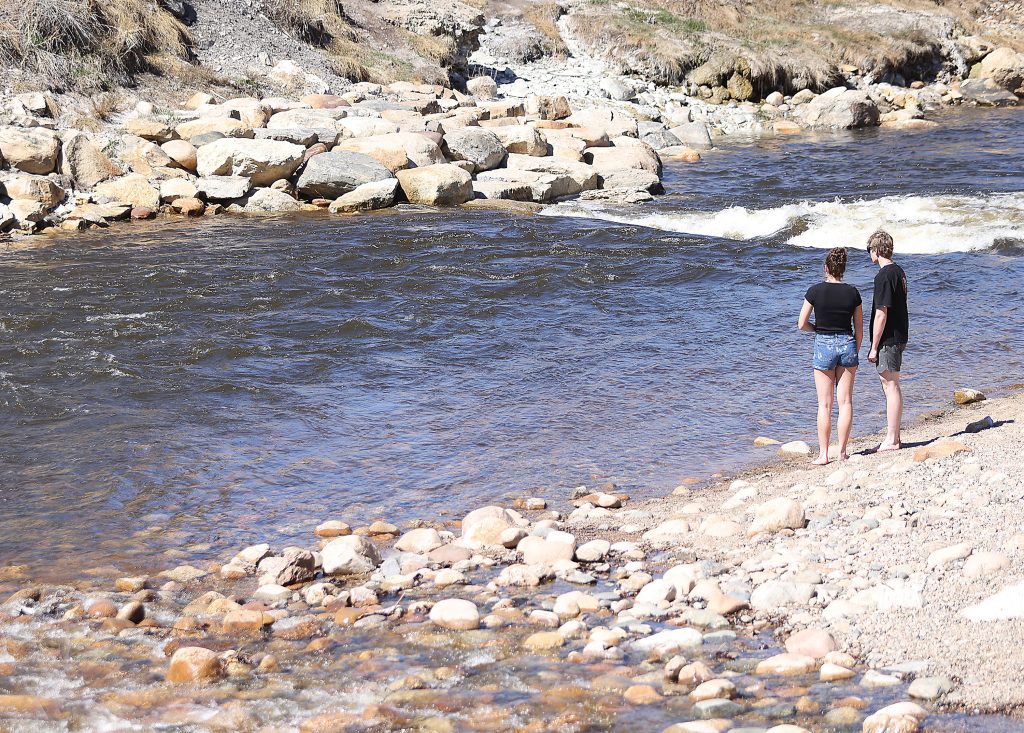
Dry conditions and unusually warm temperatures throughout the Yampa Valley are resulting in late-March water flows more typically reached in late April.
With the quicker snowmelt and earlier drying out of pasturelands, runoff volumes in creeks are hitting levels now that usually occur a month later in the spring, leading area ranchers to activate irrigation ditches weeks earlier than usual.
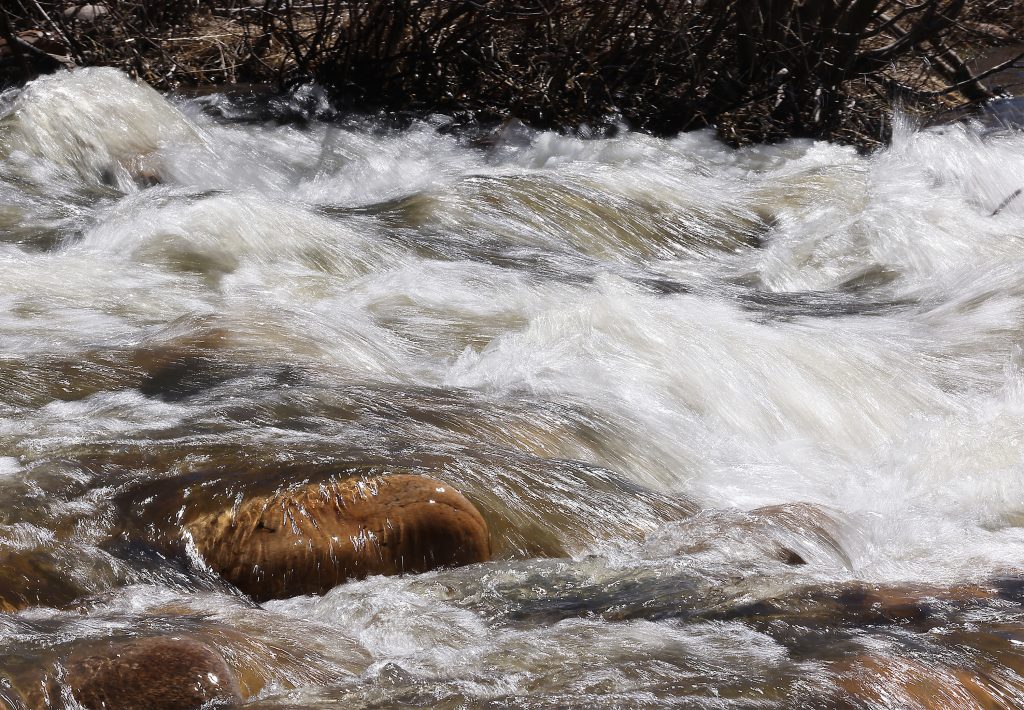
Runoff flowing down Fish Creek, the primary water source for the city of Steamboat Springs, is almost one month ahead of the historical average. At 9 p.m. March 21, the flow displayed by the U.S. Geological Survey gauge on Fish Creek near the Fish Creek Water Plant east of Steamboat Springs showed 62 cubic feet per second. That volumetric flow rate is usually seen on April 18, according to gauge records from 1966 to 2025.
“Over the last two years, it’s definitely running sooner than average,” said Frank Alfone, general manager at Mount Werner Water and Sanitation District. “It just means the possibility of having to release from Fish Creek Reservoir earlier in the season because there is less water in the creek.”
The water gauge on Fish Creek historically records a peak seasonal flow of 464 cfs on June 8, but this summer the peak will occur much sooner than average. For waterfall fans, that also means highly visited Fish Creek Falls figures to be at peak flow three to four weeks sooner than its average early June date, Alfone noted.
In the Colorado high country, the highest daily water volumes on a stream fed by snowmelt happens late in the evening or overnight after the melt travels downstream during the warmer daytime, according to water experts. As a reference point, 1 cubic foot of water is 448.8 gallons per minute and could fill a football field 2 feet high in water.
Fish Creek Reservoir on Tuesday was sitting at 47% of fill capacity, a normal level for this time of year, and that percentage continues to increase, Alfone noted. As a major year-round water source for the community, Fish Creek Reservoir water managers do not want that level to drop below 30%, Alfone said.
The water district manager pointed out that Steamboat fortunately has two water sources, the Fish Creek Plant and the Yampa Wells Plant, a secondary, typically seasonal water source near the Yampa River. With low snowpack levels this year, Alfone said Yampa Wells Plant water processing will likely begin one month sooner than usual, on April 15 instead of May 15, to take pressure off Fish Creek Reservoir.
“We’ll operate the Yampa Wells Plant as long as we can to supplement the Fish Creek Plant,” Alfone said, explaining the balancing act involved in keeping both water plants operating efficiently. “We will rely less on the Fish Creek Plant this summer and more on the Yampa Wells Plant to maintain adequate reservoir levels to get us enough water until the winter season.”
Area water managers continue to predict multiple reservoirs will not fully fill, tributaries and creeks will run lower much earlier in the season, and natural springs may not produce as much water.
Erin Light, division engineer for the Colorado Division of Water Resources in Steamboat, said the most telling data she is observing is that SNOTEL sites — the system of snow telemetry measurements — representing the Yampa-White-Little Snake water basins showed peak snowpack this year occurred on April 9, one month earlier than the historic average of April 8.
Light said multiple ranchers have reported already turning on their irrigation ditches more than one month earlier than usual. Some ranchers are running water on their lands now because they are concerned their irrigation water will not be available later in the summer, Light noted.
“They need to get water on their property because it’s drying out, and they want to take the opportunity while they can,” Light said.
Water officials at both the Mount Werner district and Steamboat Springs said this week that the city has a stronger chance this year to enter the more restrictive Stage 3 water conservation regulations for the first time, which would translate to significant restrictions on outdoor water use. The water conservation plan is found online at MWwater.com/resources/conservation.
“We just need to make customers aware that Stage 3 is a possibility,” Alfone said. “We would ask customers to conserve as much as they can on both outdoor and indoor water use.”
Julie Baxter, Steamboat city water resources manager, said she is working with city communications and parks employees to plan frequent communications on river flows and Yampa River recreational water closures as well as a program this summer to prioritize watering for the highest-value functional turf fields.
Baxter said community members should expect the Yampa River “to be closed a lot this season,” adding, “unfortunately, I know there will be economic impacts.”




Support Local Journalism
Support Local Journalism
Readers around Steamboat and Routt County make the Steamboat Pilot & Today’s work possible. Your financial contribution supports our efforts to deliver quality, locally relevant journalism.
Now more than ever, your support is critical to help us keep our community informed about the evolving coronavirus pandemic and the impact it is having locally. Every contribution, however large or small, will make a difference.
Each donation will be used exclusively for the development and creation of increased news coverage.