Skier visitation in the U.S. tumbled by more than 6 million in the Rocky Mountain West amid a historically hot and dry winter
The region that includes Colorado, Wyoming, Idaho, Montana, Utah and New Mexico saw skier visits drop by almost a quarter, according to the National Ski Area Association

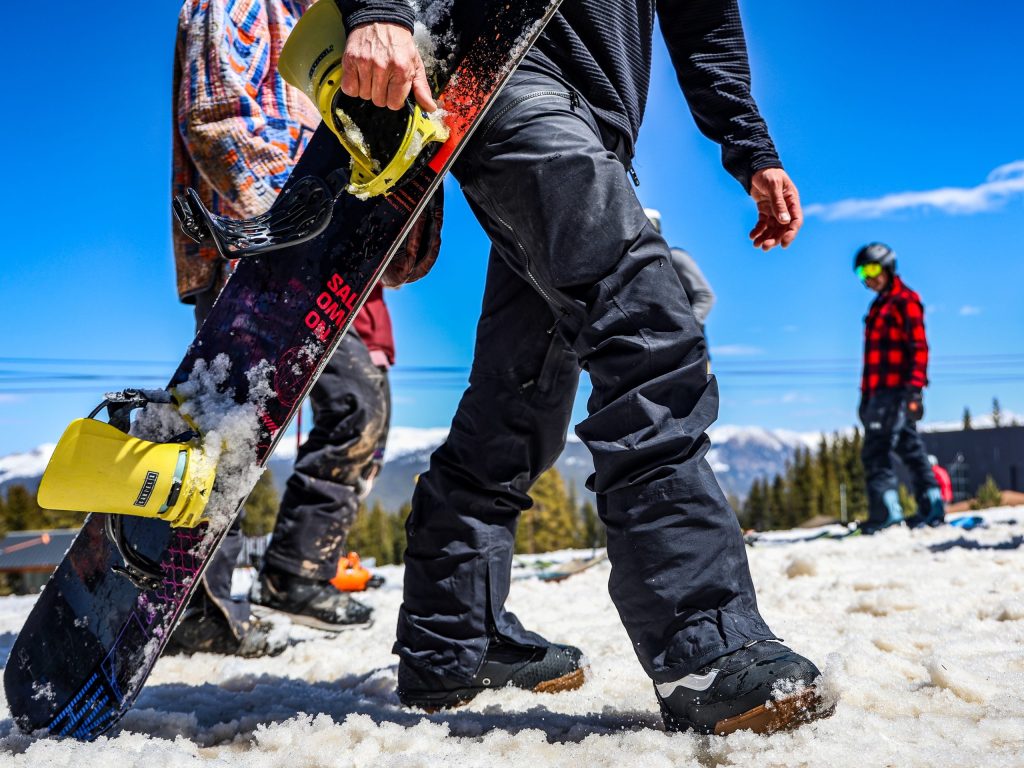
Austin Colbert/The Aspen Times
Skier visitation numbers in the United States took a downhill tumble this past season, after Colorado and other top destinations in the West experienced one of the warmest and driest winters on record.
Roughly 9 million fewer skiers and riders took to the slopes this season than last, with the Rocky Mountain West accounting for more than two-thirds of that decline, according to preliminary data released this week by the National Ski Area Association. The data counted skier visits, or each time an individual used a lift ticket or season pass to a ski area.
“Few seasons demonstrate as clearly as this one how dependent our industry remains on regional weather patterns,” said Michael Reitzell, the association’s president and CEO, in a statement. “Challenging conditions across much of the West — including a slow start, rain events, and record March warmth — significantly impacted visitation throughout the season.”
Vast swaths of the western United States just experienced one of the hottest and driest winters on record, with an unprecedented March heatwave that saw summer-like temperatures and rapidly melted off the snowpack. Colorado and the Rocky Mountains, which are the epicenter of the nation’s ski industry, experienced some of the worst conditions.
While interest in skiing had been surging in the U.S., with more than 60 million skier visits in each of the four years since the COVID-19 pandemic, the data show only about 52.6 million skiers and riders turned out to the more than 300 ski areas around the country during the 2025-26 season.
That’s about a 9% decrease from the 10-year average, and a steep drop from the all-time high of 65 million skier visits nationwide, a record set just three seasons ago during the winter of 2022-23. Looking back through the National Ski Area Association’s almost 50 years of data, there are only two seasons when skier visits took similar nosedives: 2011-12 and 1980-81, both of which were historic drought years.
Drought drove steep declines

Other than the 2019-20 season, when the pandemic shuttered resorts nationwide during the height of spring break, this past winter had the least skier participation in the U.S. in more than a decade.
Snowfall trends have always impacted skier visitation — and this past season was no exception. During the 2025-26 season, average snowfall at ski resorts nationally totaled just 112 inches, falling well-below the 10-year average of 169 inches, according to the National Ski Area Association.
The snow totals, though, were not evenly divided by region. While regions east of the Rockies got near-to-above average snowfall, every western region had well-below average snowfall that drove down skier visitation.
Although the Rocky Mountain West in recent years has accounted for about 43-44% of all ski visitation nationwide, that dropped to closer to 38% during the 2024-25. The data shows that the region — which includes Colorado, Wyoming, Idaho, Montana, Utah and New Mexico — saw more than 6 million fewer skiers this past season compared to the year before, a decline of about 24%.
State-by-state data for the past season is not yet available. Colorado, however, normally sees roughly one-fifth to a quarter of all skier visits in the U.S., and was particularly hard-hit by the drought this past season.
Also snow-starved, resorts in the Pacific Northwest and Pacific Southwest saw steep declines of about one million and two million skier visits, respectively, during the 2025-26 season, according to the data.
Where there was cold and snowy weather, skiers did turn out. The data shows that last season skier visitation in the Northeast and Southeast grew slightly year-over-year to be those regions’ second-best season in the past decade.
“Strong seasons across the Northeast and Southeast played a critical role in shaping the national picture,” Reitzell said. “When conditions are favorable, we continue to see strong demand for skiing and snowboarding, which speaks to the enduring appeal of the sport.”
Season passes remained dominant product

Season passes remained the main way that skiers and riders accessed resorts during the 2025-26 season, accounting for roughly half of all visits in the U.S. last year. Daily and multi-day tickets accounted for less than a third of total visitation, according to the National Ski Area Association.
Over the past decade, ski industry giants like Vail Resorts have pushed the sale of multi-resort megapasses like the Epic Pass in advance of the season to insulate themselves from the whims of weather that can impact day ticket sales.
In March, Vail Resorts CEO Robert Katz told investors that the advanced pass sales offered “meaningful stability” amid what he described as a “worst-case weather scenario” in the West. According to the company’s April update to investors, its 37 North American resorts saw skier visits drop 15% this season compared to last, but lift revenue was down only 5.6%, owing in large part to the passes sold ahead of the bad snowfall season.
Alterra Mountain Co., the owner of the Ikon Pass and Vail Resorts’ closest competitor, is not a publicly traded and therefore does not disclose skier visitation numbers or financial figures.
While it remains to be seen how last winter’s drought impacts next season’s season pass sales, skier visits have historically rebounded after historic drought years.
During the drought seasons of 2011-12 and 1980-81, interest in skiing fell off a wall, dropping by about 9 million skier visits compared to the previous seasons, according to the data. After the 2011-12 season, data shows skier visits nationwide rebounded by about 5 million in the 2012-13 season, but remained slightly lower than going into the drought. However, in the season after the winter 1979-80, skier visits jumped to new highs, outpacing visitation in the season prior to the drought.
“We’ve seen time and again that a lower-snow season is often followed by a strong rebound,” said Reitzell. “With continued investment, a stable base of participants and the passion that drives skiers and snowboarders, we’re already looking ahead to next season.”





Support Local Journalism
Support Local Journalism
Readers around Steamboat and Routt County make the Steamboat Pilot & Today’s work possible. Your financial contribution supports our efforts to deliver quality, locally relevant journalism.
Now more than ever, your support is critical to help us keep our community informed about the evolving coronavirus pandemic and the impact it is having locally. Every contribution, however large or small, will make a difference.
Each donation will be used exclusively for the development and creation of increased news coverage.