Pages from the Past: We Are Still Here
Steamboat Springs History Museum Executive Director
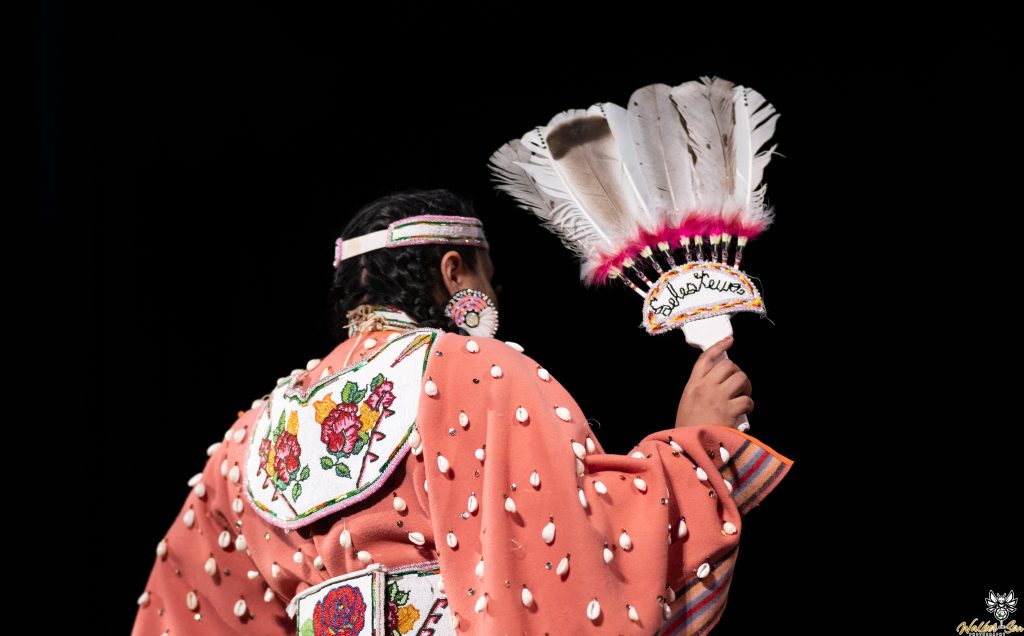
Steamboat Springs History Museum/Courtesy Photo
“We Are Still Here: The Endurance of Native Women, Fashion & Jewels” opens at the Steamboat Springs History Museum for First Friday Artwalk on Sept. 4 from 5-8 p.m. The exhibit celebrates the artistry, craftsmanship and living traditions of Indigenous women.
Developed by the Golden History Museum & Park in partnership with its Native Advisory Board, the exhibition presents Native history and culture through the voices, perspectives and creativity of Native artists. The exhibition title and central message, “We Are Still Here,” affirm that Indigenous peoples and cultures are not confined to the past, but remain vibrant, living and evolving.
The exhibition features garments and accessories created by 18 Native artists living in Colorado and representing Plains tribes from across the United States. Through intricate textile and jewelry design, beadwork, sewing and adornment, these works express family, identity, community and cultural continuity while blending generations of tradition with contemporary artistic expression.
The artists chose to highlight the significance of elk teeth and dentalium shells in their work. These are highly valued natural materials that have long symbolized beauty, achievement, trade, status and identity across many Native cultures.
On loan from the Golden History Museum & Park, “We Are Still Here” honors Indigenous women as artists, makers, innovators, and keepers of culture. The Steamboat Springs History Museum is proud to share this exhibition with our community, creating an opportunity to learn from Native artists and celebrate the importance and endurance of Native people, cultures and traditions.
Four co-curators and additional Native artists worked with Golden History Museum curator Stephanie Gilmore to develop “We Are Still Here.” Together, the participating women represent approximately 10 Tribal Nations and peoples and bring their own family histories, artistic practices and cultural knowledge to the exhibition.
Many of the objects carry personal stories spanning generations. Co-curator Erlidawn Roy (Meskwaki, Anishinaabe, Laguna Pueblo, Isleta Pueblo) created the Northern-style women’s dress on display with her mother when she was a teenager.
“It taught me the patience of sitting down and creating legacy items,” Roy recalled.
Lynnette Grey Bull (Hunkpapa Lakota, Northern Arapaho) contributed a traditional girl’s dress made of velvet, silk ribbon, bone and elk teeth. Dating to about the 1950s, the dress has been worn by several members of her family and carefully repaired over the years, illustrating how treasured garments can connect generations.
Other works demonstrate how those traditions continue through contemporary Native life. Tara Deer-Gover (Oklahoma Kickapoo, Otoe-Missouria) made one of the exhibition’s breastplates as a teenager and contributed jewelry. Many of the contemporary pieces represent clothing and jewelry Native people wear today, both for special occasions and in everyday life.
The exhibition’s vivid colors also carry meaning. Deer-Gover explained that the artists intentionally embraced color in contrast to the muted institutional environment associated with the boarding-school experiences of earlier generations.
Kristina Maldonado Bad Hand (Sicangu, Cherokee) contributed clothing and artwork. She views art as an important means of communicating Native stories and perspectives, allowing people to connect with culture in ways that words alone sometimes cannot. “A lot of times, I think you can tell a story better or show a perspective better with art,” said Hand.
Together, their work demonstrates that Native artistry is both inherited and continually renewed—created, worn, shared and passed from one generation to the next. As Grey Bull expressed, moving forward requires people and cultures to “live in harmony.”
The exhibition will remain on display at the Steamboat Springs History Museum through August 2027. In addition, the museum’s November 3 History Happy Hour talk is “Still Here” with Indigenous artist, advocate and author, Danielle SeeWalker.


Support Local Journalism
Support Local Journalism
Readers around Steamboat and Routt County make the Steamboat Pilot & Today’s work possible. Your financial contribution supports our efforts to deliver quality, locally relevant journalism.
Now more than ever, your support is critical to help us keep our community informed about the evolving coronavirus pandemic and the impact it is having locally. Every contribution, however large or small, will make a difference.
Each donation will be used exclusively for the development and creation of increased news coverage.