‘It’s going to feel like chaos’: East Troublesome Fire survivor stresses importance of preparing to evacuate from a wildfire
Emergency managers from Summit and Routt counties recommend that residents prepare checklists based on the ‘Ready, Set, Go!’ format


Eli Pace/Steamboat Pilot & Today
Jessica Rahn will never forget how the black cloud of smoke from the East Troublesome Fire darkened the sky as she and her husband prepared to evacuate their home with their newborn child, two dogs and two cats.
It was October 2020. Rahn and her family were quarantined at home after she was exposed to COVID-19. Her neighborhood had been on pre-evacuation notice for days after the wildfire ignited near Kremmling — but now it crossed Colorado Highway 125 and was knocking at their door.
“As we thought about the things that we needed, it’s really emotional in that moment, and you think this is never going to happen — even though the fire is there, it was probably just a few miles away at this point,” Rahn said. “You kind of oscillate between panicking, and then you’re thinking it’s not going to happen, and neither of those functions is great for making decisions.”
Rahn and her husband had prepared a go-bag with medications and other necessities for their family. They had already gotten a few sentimental items, like an old Jeep and a wedding dress, out of the house.
As the orange glow of the wildfire grew closer, ash falling from the sky, they sorted everything they owned into piles, trying to decide what was essential and loaded what they could into their two vehicles.
They left before the official evacuation order. Within hours, the fire had consumed the neighborhood, destroying their home and many others. In total, the East Troublesome Fire destroyed 366 homes and another 189 structures.
“It felt like Armageddon,” said Rahn, who has since rebuilt and is now the executive director of the Grand Count Wildfire Council. It’s easy to think that it’ll never happen to you, she said, but in Colorado — perhaps especially this year, after a historically low snowpack — it’s important to prepare for the real possibility of wildfire evacuations.
“The worst part is not knowing how you’re going to feel in that moment. The panic is real and the more prepared you are, the less panic you’ll have. If you don’t take any of these steps, and a wildfire starts near your home, it’s just going to feel like chaos. It is chaos, right?” Rahn said. But at least if you’ve done a little bit of planning or preparing — even if it’s not a lot, even if you just spend 15 minutes thinking about these things and talking with your family — it will feel less dangerous.”
How to prepare for a wildfire evacuation
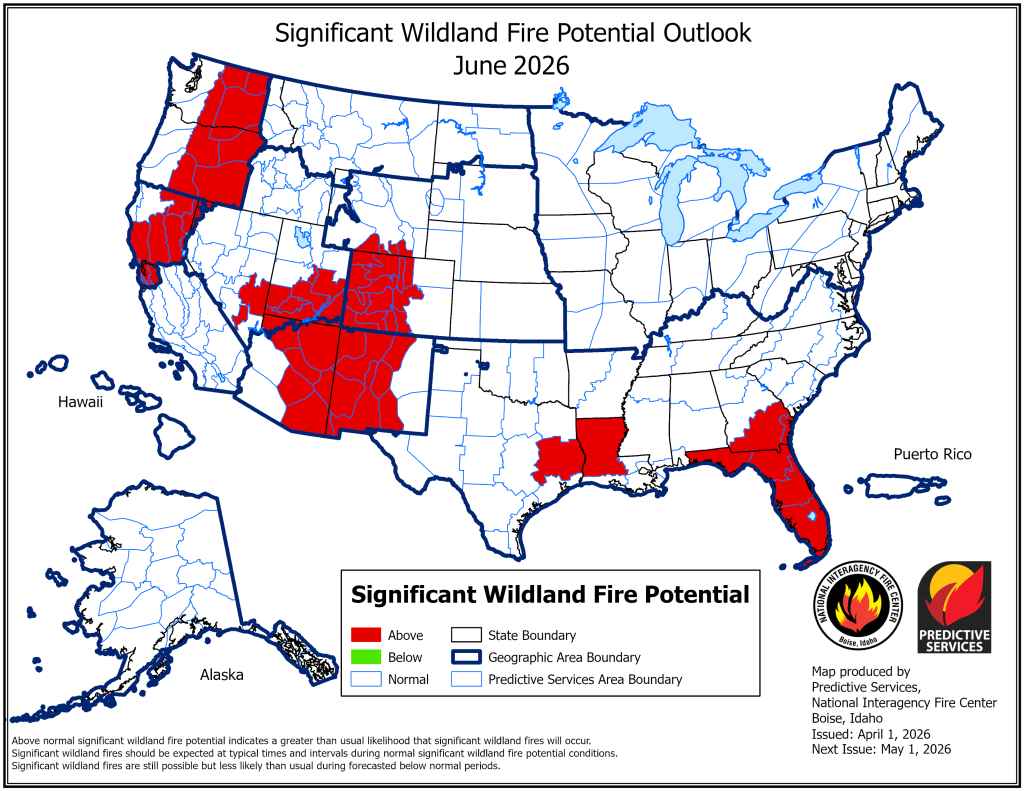
After a historically hot and dry winter, Colorado is heading into the height of the wildfire season with severe drought conditions across the state. The National Interagency Fire Center’s latest outlook shows that the Western Slope could see above-average fire risk in June, July and August.
No matter where in the mountains a person lives, the basics of being prepared for wildfires and the potential for evacuations always follows the same “Ready, Set, Go!” format, according to wildfire officials.
“We always want people to be ready, we always want people to be prepared and we do live in an area with high hazards,” said Routt County Emergency Management Specialist Alyssa Wilhelme during a presentation on wildfire preparedness. “It’s up to you to have that personal preparedness and make sure that if you do get a pre-evacuation alert or an evacuation order, you know what to do.”
The “ready” phase is what mountain residents should be doing right now to prepare for the potential of wildfires this summer, Wilhelme and other emergency managers said during a presentation hosted by the Altitude Realtors Association in late May.
This phase includes every resident making sure they’re signed up for local emergency alerts, which will be the fastest way to learn about pre-evacuation notices or evacuation orders, according to the managers. Families also need to talk about what they’d do in the case of evacuations, including where to meet up and arrangements for pets.
Another important step to being “ready” for a potential wildfire evacuation is having a go-bag prepared with essential items like water, non-perishable food, first aid and sanitation supplies, credit cards or cash and medications. Residents should keep their go-bag in their vehicle in case there is not enough time to return home due to an evacuation order.
Summit County Deputy Director of Emergency Management Cailee Hamm suggested that it can also be helpful for residents to take photos or a video of their property and belongings to help with insurance claims in the case of damage from a fire.
“If something were to happen, it’s great to be able to reference back and say this is my property within the last six months, for unfortunately those bad days when you have to work through claims and rebuilding,” Hamm said.
The “set” phase occurs as a wildfire approaches a town or neighborhood. This will often be around when residents begin receiving pre-evacuation notices.
During this phase, residents should do things like shut their windows and doors, remove flammable window shades, shut off the gas connection and turn outdoor lights on so firefighters can see their home in the smoke, according to the National Interagency Fire Center. This is also when anyone with livestock should be moving their animals to a safer location.
If pre-evacuation orders are in place, residents should pay close attention to their local emergency alerts and other sources of official information.
“We want people to get information from trusted sources,” Wilhelme said. “Especially with social media, we see rumors running rampant. People are just posting everything that they hear without it being verified.”
The final step is “Go!” When residents have gathered all their essential items and done everything they can to prepare their property for the wildfire, it’s time to leave and get to a safe location away from the fire.
Residents can leave at any time, even if an official evacuation order has not been issued. The emergency managers said that it is best to let officials in charge of evacuations know that you have left, so that they don’t have to check whether your property has been evacuated.
What else mountain residents can do
Reflecting on the loss of her home six years after the East Troublesome Fire, Rahn said, “I wish we had taken more time to prepare.”
Although Rahn had spent roughly two days under pre-evacuation notice, she said she still wasn’t able to “take everything that we should have.” She said she also could have done more to prepare her property to be ready for firefighters to protect.
“Science shows that if you reduce the vegetation around your home and harden your home, that you can reduce the chances of losing your home in a wildfire by an astronomical amount,” Rahn said.
Homeowners in the mountains should work to create a buffer zone — also known as defensible space — by removing combustible materials like trees and firewood that are up against or close to the house, Rahn said. There are also steps homeowners can take to “harden” their home by building with fire-resistant materials and installing ember-resistant vents, she said. Local fire departments and wildfire councils often offer home inspections and other resources to help people create defensible space around their homes.
Rahn said that she would also suggest that homeowners know what’s in their wildfire insurance policy and that it covers them for at least 36 months in the event of a total loss of their property, since the rebuilding process can be lengthy.
“We moved to eight different rentals. It was a nightmare for years after. It just kind of destroys you a little bit,” Rahn said. “I like to use the phoenix as my mantra now, because there’s no reason you can’t build back better from that, but you’re kind of reduced to ashes at first.”






Support Local Journalism
Support Local Journalism
Readers around Steamboat and Routt County make the Steamboat Pilot & Today’s work possible. Your financial contribution supports our efforts to deliver quality, locally relevant journalism.
Now more than ever, your support is critical to help us keep our community informed about the evolving coronavirus pandemic and the impact it is having locally. Every contribution, however large or small, will make a difference.
Each donation will be used exclusively for the development and creation of increased news coverage.