Polis signs bill aimed at easing regulatory burdens on Colorado businesses
Colorado businesses are celebrating the passage of Senate Bill 137, which will enforce regulatory review of duplicative and costly legislation

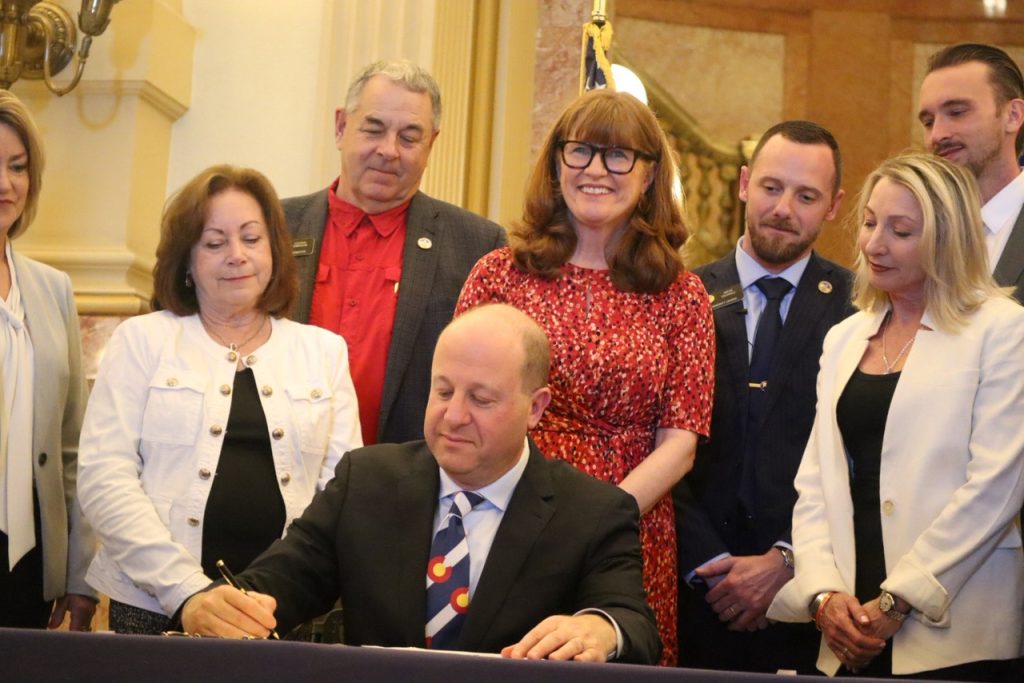
Robert Tann/Steamboat Pilot & Today
Regulation reform is on the horizon for Colorado businesses after lawmakers approved a bill that will crack down on excessive rules — reportedly freeing up time for more care for patients, more attention for students and more opportunities for businesses.
Colorado Gov. Jared Polis signed Senate Bill 137 into law on Thursday, May 14, alongside several other bills to wrap up the 2026 legislative session. Polis expressed his approval for the bill, stating its attempts to make regulations more effective will help businesses dedicate more time to services that matter.
“This is a big step in good government, efficiency and making Colorado more competitive,” Polis said during the signing. “(This law) is taking a look at Colorado’s laws and regulations to really make sure that they’re minimizing red tape and reducing costs for the private sector and all Coloradans.”
The newly signed law was the Colorado Chamber of Commerce’s priority legislation for 2026. It creates more robust standards for how state agencies review existing regulations, which some businesses argue have weakened the state’s competitiveness and strained the job market.
Colorado is the sixth most regulated state in the country, with over 205,000 state-level restrictions affecting businesses in 2025, according to studies by the Colorado Chamber of Commerce.
The heavily regulated business environment has made it challenging for rural businesses to operate with limited staff and resources, creating barriers to growth. Since 2019, nearly 100 businesses have left the state or scaled back operations, partly in favor of states with fewer regulations and lower costs.
“It can be easy for Western Colorado and rural communities to feel removed from these conversations,” Candace Carnahan, president and CEO of the Grand Junction Area Chamber of Commerce, said when the bill cleared its first Senate Committee in March. “At its core, this conversation is about good governance. … Because when businesses are confident in the environment they are operating in, they invest, they hire, and they grow. That is what drives long-term economic vitality across our state.”
Once the law goes into effect in August, all state agencies will be required to review their rules every five years to assess whether any active regulations are outdated, duplicative or cost-ineffective. Findings will be reviewed in a public forum during state agency SMART Act hearings.
While former state law required select state agencies to perform a mandatory review of their regulations and report findings to the legislature, there was no process requiring lawmakers to act on those reports.
“There are many rules that can be done better, I see them on the executive side every day,” Polis said. “There can be cleaner air and healthier people with less regulations. We want to find those sweet spots and make it happen.”
The bill received support from nearly two dozen business leaders across the state who showed up to testify when it cleared its first committee in late March, including local chamber presidents and representatives of critical industries, according to a chamber news release. Proponents came from highly regulated sectors like childcare, restaurants, healthcare and housing construction.
“Too often the people doing the most important work in our communities are weighed down by paperwork, duplicative processes, outdated requirements and bureaucratic delays,” Colorado Senate President James Coleman said during the signing. “And whether it’s a teacher spending more time on forms in the classroom, or it’s a healthcare provider navigating excessive reporting requirements or small business owners struggling through layers of administrative red tape, we have heard the message clearly. Government should be a partner and not an obstacle.”
Although the bill requires a new type of evaluation for the rule review process, the fiscal noteassumes the level of analysis will be similar to the assessments required under current law. The note concludes that the flexibility in rule review schedule will allow for any increase in workload to be absorbed within current resources.






Support Local Journalism
Support Local Journalism
Readers around Steamboat and Routt County make the Steamboat Pilot & Today’s work possible. Your financial contribution supports our efforts to deliver quality, locally relevant journalism.
Now more than ever, your support is critical to help us keep our community informed about the evolving coronavirus pandemic and the impact it is having locally. Every contribution, however large or small, will make a difference.
Each donation will be used exclusively for the development and creation of increased news coverage.