Weekly Wellness: What to know about mosquitoes and West Nile Virus
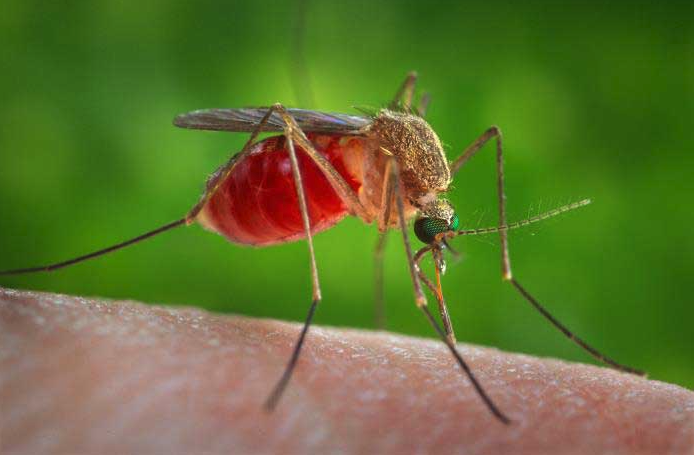
Centers for Disease Control/Courtesy photo
Mosquitos. These pesky insects buzz around from early summer through early fall, frustrating outdoor enthusiasts who enjoy being outside at dawn and dusk.
Only female mosquitos bite humans and animals, and they can potentially carry West Nile virus. Infected mosquitoes spread the virus through bites. Most people who contract West Nile virus don’t feel sick or experience only mild symptoms like fever, headache, body aches or fatigue. In rare cases, the virus can lead to serious neurological complications, including swelling in the brain.
West Nile virus can affect healthy people of all ages. Dr. Michelle Barron, senior medical director of infection prevention and control for UCHealth, has two key messages: protect yourself from mosquito bites, and seek medical care if you feel ill or suspect infection.
“If your infection progresses to persistent headaches, confusion, muscle weakness, numbness or tingling, you need to be seen by a doctor as quickly as possible,” Barron said.
Below, Barron answers frequently asked questions about West Nile virus and how to reduce your risk.
What is West Nile virus?
West Nile virus is a mosquito-borne illness that’s known as a “flavivirus.” It was first detected in 1937 in Uganda and later caused outbreaks in Egypt and the Nile River Delta in the 1950s, which is how it got its name. The virus appeared in the United States in 1999 and has since spread nationwide. Mosquitoes become infected by feeding on birds and other animals, then spread it to humans through bites.
What is the typical season in Colorado?
West Nile virus season usually lasts from June through September, but if it is a wet, mild fall, mosquitoes may continue to circulate later, and thus, could continue to infect people.
What are the common symptoms?
Key symptoms of West Nile virus include:
- Headache
- Fever
- Diarrhea
- Muscle weakness
- Tingling or numbness
- Neck stiffness
- Flu-like symptoms
“Most people will have minor symptoms and may not ever know they had West Nile virus,” Barron said.
Do some people get rashes?
Rashes are possible, but not common. If you are feeling unwell and have questions about symptoms, contact to your doctor.
What are signs of severe illness?
In some cases, West Nile virus can affect the nervous system. Neurologic symptoms may include:
- Clumsiness
- Problems walking
- Brain fog or cognitive problems
- Memory issues
Severe cases can lead to encephalitis, which is inflammation of the brain, or meningitis, which is swelling of the lining around the brain and spinal cord.
“People sometimes will start acting strange, or they’ll have cognitive issues,” said Barron. “They might have trouble with word finding. They might be a little slower or will have some weaknesses develop. Walking can be a challenge. They can have a polio-like syndrome where they can’t walk and have paralysis.”
Anyone experiencing these symptoms should seek medical care immediately.
Is there a test?
Yes. If you are sick and suspect that you might have West Nile virus, your healthcare provider can order testing to confirm the infection.
Are there any cures?
There is no cure for West Nile virus. Despite years of research, treatments such as antibody therapies have not proven effective in clinical trials.
While there are no cures for West Nile virus, doctors can help with other symptoms, like reducing fever or treating complications like brain swelling in severe cases.
Is there a vaccine?
No. Although researchers have worked for years to develop one, there is currently no vaccine available for humans.
Can you get it more than once?
Researchers and doctors are still learning about West Nile virus, but they think that once a person has West Nile virus, they should have lifelong immunity to the virus.
How can you prevent it?
West Nile virus is highly preventable, but if you like being outside, it can be challenging to avoid mosquitoes.
Here are some ideas for staying safe:
- Consider wearing long sleeves and long pants outdoors, so it’s not easy for mosquitoes to bite you.
- Use an effective insect repellent, preferably one containing DEET.
- Eliminate standing water where mosquitoes may breed.
“If you’re out hiking or even if you’re out sitting outside, protect yourself. You can use insect repellent, citronella candles or anything that helps keep the mosquitoes down,” Barron said.
When are mosquitos most active?
Mosquitoes are especially active at dawn and dusk. Limiting outdoor time during these hours can help reduce your risk of exposure.
“Avoiding being outside at those times may help you avoid West Nile virus,” Barron said.










Support Local Journalism
Support Local Journalism
Readers around Steamboat and Routt County make the Steamboat Pilot & Today’s work possible. Your financial contribution supports our efforts to deliver quality, locally relevant journalism.
Now more than ever, your support is critical to help us keep our community informed about the evolving coronavirus pandemic and the impact it is having locally. Every contribution, however large or small, will make a difference.
Each donation will be used exclusively for the development and creation of increased news coverage.